6 Important Things To Know About Credit Cards
A credit card comes with a lot of responsibility; therefore, it shouldn’t be ignored. We all know that using credit cards may result in long-term debt and credit score harm that can take years to repair, but they can also help you develop your credit score so you’ll have good credit when you need it. In light of this, it’s a good idea to have a strategy in place before utilizing your new credit card. This strategy should enable you to make full use of credit’s perks and credit-building potential without jeopardizing your financial situation. Read on to learn six things you should know if you’re a new credit card user and want to utilize credit as a tool to construct the life you desire.
Low Credit Utilization
One of the key components of your credit scores is credit usage, or how much of your available credit you’re using in comparison to your credit limit. Credit scores can be seriously harmed by maxing out or carrying a big load on a credit card, which makes you appear riskier to lenders. By dividing your current credit card debt by the entire amount of credit you have available, you may find your credit use rate. Your credit usage for each credit card and overall is taken into account by credit scoring algorithms. It is critical to keep your credit card utilization rate around 30%, but the lower the better. Making payments earlier in the month, before your billing cycle finishes (and the credit card business reports your amount to the credit bureaus), might help you raise your credit scores and reduce your interest costs if you are unable to pay off your debt in full each month.
Credit Limit
The most you can typically spend with your credit card is determined by your credit limit. Although the cap is initially established when you acquire your credit card, you can ask to have it decreased or raised. Before raising your credit limit, the company that issues your credit card must obtain your express written or verbal consent. This is referred to as “providing your express approval,” which indicates you firmly accept an increase in the credit limit in writing or orally. Your credit card company must confirm a change in writing no later than your subsequent credit card statement if you orally consent to an increase.
Bad Things Can Happen Too!
You should always settle your balance completely each month. If you can’t, though, make it a priority to pay at least the minimal amount before the deadline. Even a few days of late payment might result in late fees being charged to your credit card company. However, the long-term damage that a missed payment of 30 days or more may cause to your credit ratings is more significant. If you ever find yourself in a jam and are unable to make a payment, get in touch with your card’s issuer right away and let them know you’re having trouble keeping up with your obligations. It’s also very important to keep yourself out of unpleasant situations with your bank. This can also happen if you find yourself on the Mastercard matchlist, which is a database of merchants or company owners whose accounts have been closed or whose payment processors have determined to pose a major risk. The unfortunate part is that banks and processors frequently turn down opportunities to work with merchants who appear on the MATCH list database. The unfortunate part is that banks and processors frequently turn down opportunities to work with merchants who appear on the MATCH list database.
Processing Network
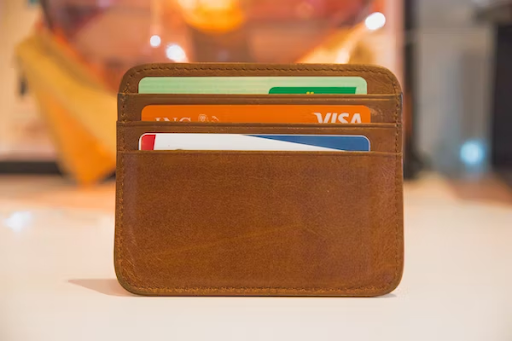
There are only four credit card processing networks: Visa, MasterCard, American Express, and Discover. Knowing which one your card uses is rather simple. Additionally, the name of the credit card provider, such as Capital One, Chase, etc., is displayed on the front of many credit cards. However, the card issuer is not always clear with some credit cards, particularly retail cards. To find out who issued your credit card, look at the back or on your billing statement.
Use It Like Debit Card
It is also important to remember that using credit cards to borrow money or carry debt is not a good idea. Of course, avoiding paying hundreds or thousands of dollars in interest is the ideal course of action. Your best course of action while using a credit card is to use it like a debit card or limit its usage to purchases for which you truly have the funds in your bank account. By doing this, you may benefit from the benefits and convenience of credit without accruing significant debt or increasing the cost of everything you buy in the process.
View Your Spending
Your credit card statement provides a detailed account of every transaction you make, providing insight into your spending patterns. To analyze your spending, total the money you spend in each area over the course of a month to gain insight into your spending patterns. To analyze your spending, total the money you spend in each area over the course of a month. Then, to stay on track, change your spending habits or your budget.
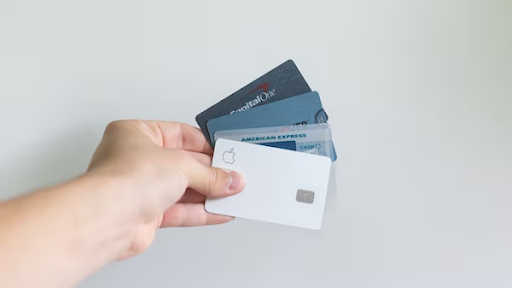
We advise using your credit card sparingly and only for purchases you can afford to make in cash if you want to get the most out of it. Over time, your credit score will almost certainly rise if you manage your credit use while accruing incentives and making on-time payments on your bills.