

3 Types of Insurance General Contractors Should Carry
Navigating the world of insurance can be a bit daunting when you are new to the scene. Sure, many of us grow up to own a car for which we eventually hunt down a good plan for, and as we get older we begin looking at more serious coverage such as health insurance or life insurance. When you are looking at insurance in a more professional setting, like contractors looking for plans to safeguard their businesses, it helps to have a little extra information. Let’s talk about some of the more important plans to consider arming yourself with financial protection.
There are three types of contractors insurance that it is important to look at when you want to get the best coverage. Liability, inland marine, and worker’s compensation insurance are the three pillars of important protection that can be absolute necessities in ensuring the safety and success of your business. You may be wondering what the difference is, so we will talk about the purpose each one serves, and how they work together to give you a blanket of protection. Ensuring you have all your bases covered is a natural part of good business, for many reasons.
Comparing their coverage
Liability insurance checks off all the basics, on the topic of things happening outside of your control, like a paint spill onto a client’s belongings, or an employee falling off a ladder. Having liability insurance means having peace of mind in regards to your reputation with your customers, and business partners. Any potentially damaged property is replaced or repaired, and your client is satisfied because you were prepared. You’re able to face unforeseen circumstances with confidence and hold the respect of your peers because of it.
Inland marine insurance covers your business by protecting property in transit. If you have a large business, many locations, or are operating in a spread-out landscape over long distances, you will likely need to transport materials or other things to do your job to the best of your ability. For these specific and necessary moments, you need inland marine insurance. Covering you for possible theft, or even damages to things like bridges or radio towers, you won’t have to feel cold panic at the idea of losing property, or having accidentally broken something while moving materials.
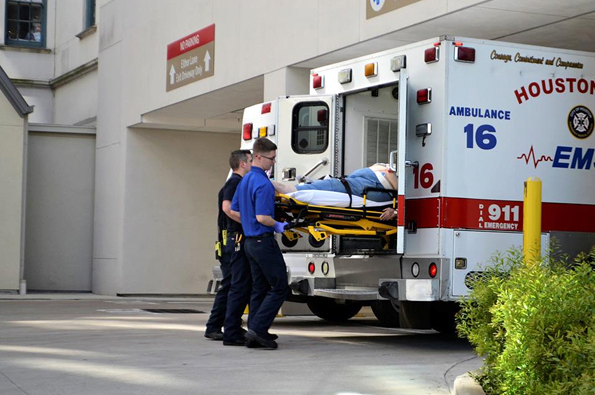
Worker’s compensation insurance is probably self-explanatory to you. This plan would offer you coverage in the unfortunate event of one of your employees or staff members getting injured on the job. In 2019 it was shown that construction-related accidents had risen by 25%, many of those being ladder falls or electrical injuries. Practicing safe work habits, double-checking your methods, and working with the best tools can take your workplace safety leaps and bounds ahead of the usual injury statistics. Still, accidents happen, and your employees will need financial assistance, which is why worker’s compensation insurance is imperative.
Why all three matter
It is easy to think getting just one type of insurance would do the job. Usually, one plan seems to cover plenty, so why not just go with the simplest option? The reality is that running a business means making the right choices, taking everyone involved into consideration, their safety, their success, as well as your own. For a successful company to operate at its maximum efficiency it must be prepared for all kinds of various hurdles. Financial hardship is one of the hardest obstacles to overcome, and proper insurance coverage can prevent such a problem from ever arising.
If you were to run your business for one year with no insurance, what would you project your out-of-pocket costs would amount to? Is it a number you could easily stomach? Consider it.
An employee gets injured while working, tool malfunctions and damages the property of a client, weather that wasn’t in the forecast wreaks havoc on your worksite, these are all real possibilities that could tank your business’ bank account in an instant, even your own if it is serious enough. Taking into consideration all of the numerous types of accidents that regularly occur on even the safest of construction sites, it is just good sense to be prepared.
*This is a collaborative post.


