How Your Credit Score Impacts Your Financial Health and Options
A bad credit score can follow a person around like a bad smell. It can set up roadblocks all over your financial plans, causing a lot of distress. And yet, there seems to be ongoing confusion about what it is, how you can get a bad credit score, and what it can affect. In fact, you might never even be aware of your credit score but it will come up when it comes time for you to buy a home, create a new business, or any other major purchase.
We’re simplifying that here today. Read our guide for the A-Z of credit scores: how it can affect you, how you can end up with a bad score, and how you can improve it.
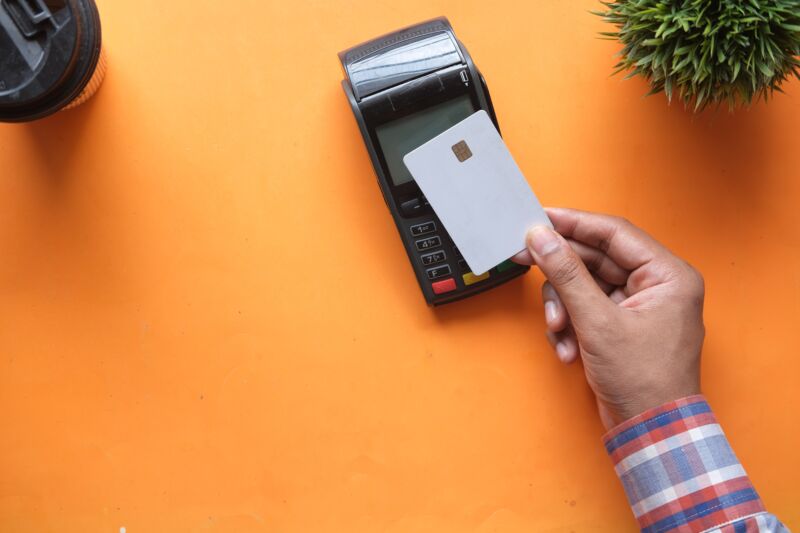
IMAGE: https://unsplash.com/photos/HNPrWOH2Z8U (Unsplash)
How can your credit score affect your financial health?
Every individual has a credit score. Even if you are married, that equates to two credit scores between you. Your credit score is a score given to you by the bank, made up of a series of actions over your financial history. It’s what informs the bank or your lender how reliable you are as an investment and how much of a risk you are at the time of your loan application. The higher your score, usually from 300 to 850, the more reliable you are as a person to lend to and the better your credit terms are likely to be.
Your credit score is most likely going to be first brought up when you are looking for a loan, so this can be for a mortgage, business loan or personal loan. Your credit score will allow your lender to figure out how likely you are to pay back your repayments in time. It also comes up when looking into insurance, as your credit score will determine just how risky giving you insurance will be to the lender.
So, as you can see, your credit score is an identifier. One that you won’t need, until you need it, and if it’s not up to scratch, it will take a while to sort, putting a long delay on big projects, like a new home, a business startup, or a home rejuvenation. But there are ways you can improve it.
What hurts a credit score?
Around 35% of your credit score is determined by your payment history. Every time you are late with your debt repayments, including credit cards, mortgages, retail accounts, finance company accounts, and instalment loans like car or student loans, is another knock against your credit score.
However, it can recover over time. If you give it a year or two, with consistent, prompt repayments on everything from your debt to your credit cards, your score will go up gradually and you will be considered a more reliable person to loan to.
Another thing that affects your credit score is your overdraft or credit utilization. These will reveal if your finances will allow you to handle your debt and this potential loan by looking at just how deep in debt you are. If you have a large overdraft that will be reflected in your credit score. If you’re struggling to pay back credit, you can ask to increase your limit. Going over your limit can affect your credit score, but a good amount of time staying under that limit will improve your credit score. If you’re looking for ways to increase your credit limit, take a look at this article.
There is also the idea of how long your credit history is. This is referring to how long you have used credit, and covers everything from credit cards, retail accounts, instalment loans, mortgage loans and finance company accounts. The further back your credit history goes, the better, as lenders will be able to look far back over your history and discern patterns in your spending. If you have done everything right and repaid what you need to on time, they should see the one solid pattern, but life is rarely that kind.
There is also the idea of new credit inquiries. If you open a lot of accounts in less time, it could negatively affect your credit score. And this goes double for people with a shorter credit history. A new line of credit, even just applying, is considered a hit to your credit score.
What can help a credit score?
There is actually a lot you can do to improve your credit score, but a lot of it takes time. The best thing you can do for your credit score is to get into the habit of paying promptly. No more late payments, no more new lines of credit, and perhaps take a look at your credit score. They aren’t entirely elusive and tend to give pointers on what state your credit score is in and why it is where it is. You can check your credit score with FICO or Experian.


