
Supporting Your Teen’s First Steps to Driving Independence
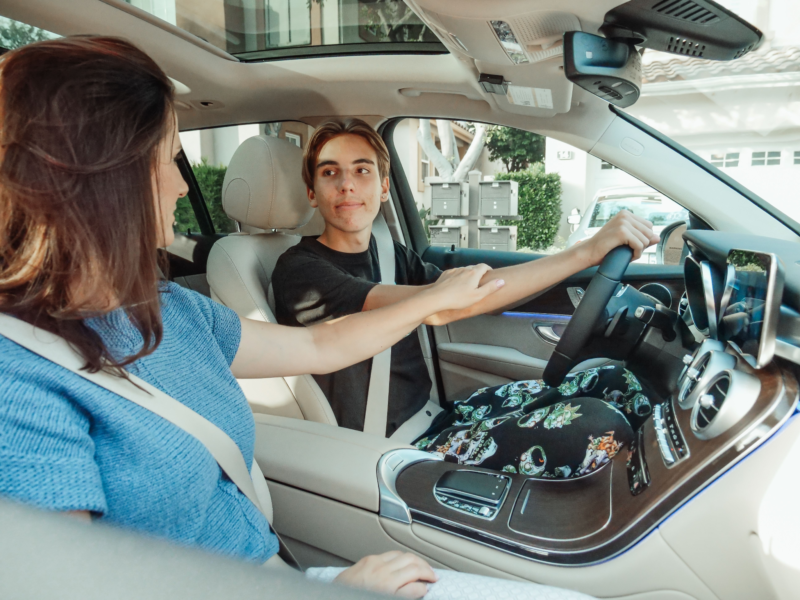
Image Credit: Pexels
Watching your teenager take their first steps towards driving independence is a huge milestone. It’s a mix of pride, excitement, and a fair bit of parental anxiety. One minute you’re teaching them to ride a bike, and the next they’re asking for the car keys. This transition is a significant step towards adulthood for them and a new chapter for you. Supporting them effectively means understanding the process, the costs, and the responsibilities involved.
Navigating the Learner Journey
Before your teen can even think about getting behind the wheel, they need a provisional driving licence. They can apply for this from the age of 15 years and 9 months, though they can’t actually start driving a car until they are 17. The application is straightforward and can be completed online via the GOV. UK website.
Once the provisional licence arrives, the next hurdle is the theory test. This test has two parts: multiple-choice questions and a hazard perception section. Plenty of apps, books, and online resources are available to help them revise. Encourage them to take practice tests until they’re consistently passing. This will build their confidence for the real thing.
Professional lessons are essential, but many families also opt for private practice. This can be a great way to build up hours on the road and reinforce what they’ve learned with their instructor. If you decide to do this, remember you must be over 21 and have held a full licence for at least three years. A comprehensive guide to teaching your teen can help you structure these sessions effectively.
Finding First Car Insurance
One of the biggest financial shocks for parents of new drivers is the cost of car insurance. Young drivers are statistically more likely to be involved in an accident. This means insurers see them as high-risk, leading to very high premiums. However, there are ways to manage this cost.
For private practice in your own car or a family member’s, your teen will need to be added to the existing policy or take out a specific learner driver policy, in addition to sorting out things a learner driver needs to do before the first lesson. These short-term policies can be a flexible and affordable way to get them insured for practice sessions without risking the car owner’s No Claims Discount.
Once they pass their test, the real challenge begins. This is where specialist policies become particularly useful. Many parents explore telematics, or ‘black box’, insurance. This involves fitting a small device to the car that monitors things like speed, braking, and mileage. Good driving is often rewarded with lower renewal prices. Some providers specialise in this area, and looking into options like Marmalade’s young driver insurance can give you a clear idea of what’s available for newly qualified drivers. These policies are designed specifically to make driving more affordable and encourage safer habits from the very beginning.
Choosing the Right Instructor
A good driving instructor is incredibly valuable. They don’t just teach the mechanics of driving. They also build confidence and instil safe habits that will last a lifetime. All legal instructors in the UK must be an Approved Driving Instructor (ADI) and display a green badge in their windscreen.
Finding the right person can feel like a challenge, but personal recommendations are a great place to start. Ask friends, family, or neighbours who they used for their own children. You can also use the DVSA’s ‘Find a driving instructor’ service online. When you’re considering your options, think about:
- Reviews and Pass Rates: Look for independent reviews online to get a feel for their teaching style.
- Car Type: Ensure the car is a good fit for your teen. A small, modern car with dual controls is standard.
- Personality: Your teen will be spending a lot of time with their instructor, so they must get on well. A patient, calm, and encouraging instructor can make all the difference.
Taking the time to research and find the right fit is a key part of choosing a driver’s education program that will set your teen up for success.
The Costs of Learning to Drive
Helping a teenager learn to drive is a significant financial commitment. It’s wise to sit down and budget for the various expenses so there are no surprises along the way. The total cost can vary hugely depending on how many lessons are needed and the price of a first car, but here are the main outgoings to plan for:
- Provisional Licence: There’s a set fee to apply, which you can find on the GOV.UK website.
- Driving Lessons: This is the biggest variable. The average lesson costs between £25 and £35 per hour. The DVSA recommends around 45 hours of professional tuition, so the total can easily exceed £1,000.
- Theory Test: There is a standard fee to book the theory test.
- Practical Test: There’s another fee for the practical driving test, with slightly different costs for weekday or evening/weekend slots.
- First Car & Insurance: This is often the largest single expense. Even a modest used car will cost a few thousand pounds, and the first year of insurance can often match or exceed the value of the car itself.
Discussing these costs openly with your teen can help them understand the value of this new privilege. It may also encourage them to contribute where they can, perhaps from a part-time job or savings.
Supporting Safe Driving Habits
Passing the test is not the end of the learning process. It’s the beginning of a new phase. The first year of solo driving is statistically the most dangerous, so your support is still crucial. The freedom of being able to drive alone is exhilarating, but it’s important to establish some ground rules from the start.
Consider creating a ‘new driver agreement’ together. This could cover expectations around:
- Passengers: Limiting the number of friends in the car, especially in the first few months.
- Curfews: Agreeing on sensible times for them to be home, particularly on weeknights.
- Mobile Phone Use: Reinforcing a zero-tolerance policy for using a phone whilst driving.
- Contributing to Costs: Deciding how they will contribute towards fuel, insurance, and maintenance.
Encouraging further training is also a brilliant idea. Courses like Pass Plus are designed by the DVSA to help new drivers gain experience in situations they may not have faced in their lessons, such as motorway driving, night driving, and driving in adverse weather. Completing a course like this can sometimes lead to a discount on car insurance. Exploring the best teenage driver ed options helps build on the foundation their instructor provided. Ultimately, enrolling in a teen safe driving course can provide invaluable experience and reinforce defensive driving techniques.
This new chapter is a journey for the whole family. By offering practical support, setting clear boundaries, and leading by example with your own driving, you can help your teen become a confident, safe, and responsible driver for life.
*This is a collaborative post.