
How to Properly Ship Fragile Items Without Issues in Your Small Business
As a small business owner, there are some things that are solely out of your control; technically, logistics and shipping are among them. Now, even though the logistics company might break the precious item that’s in the box, unfortunately, it’s still your responsibility, and it still ends on you (as unfair as it is). Honestly, it’s entirely understandable if you’ve ever felt that pang of anxiety when shipping your delicate products; seriously, you’re not alone.
The thought of your lovingly crafted goods arriving in pieces is enough to make anyone break into a sweat. It just makes customers mad, and at the end of the day, your reputation is still damaged. Unfair, right? Well, while there aren’t foolproof ways to avoid this issue completely, there are still some things you can do. Here’s exactly what!
Choose the Right Box – Size Matters
For starters, you have to understand that, yes, the box actually does matter! Alright, it might sound obvious, but the right box can make all the difference. You don’t want something too big, or your item will jostle around like a toddler on a sugar rush. Conversely, a box that’s too small could mean not enough padding. So, you’re going to want to aim for a box that’s just slightly larger than your item, giving you enough room for cushioning on all sides.
Plus, double-walled boxes are your best friends for extra sturdiness. Here’s the thing, though: a lot of business owners think that a box is a box, and when they buy boxes from wholesale, like from Jetbox, they are mostly based on aesthetics and branding. Sure, those are nice things to have, but it’s the sturdiness that’s the most important.
There Needs to be Plenty of Cushion
Now, onto cushioning. Bubble wrap, packing peanuts, foam, or even crumpled paper can work wonders. Alright, that’s just super obvious! So, you’ll need to wrap your item in bubble wrap, making sure every inch is covered. The goal is to create a soft, shock-absorbing layer.
If you’re using packing peanuts, don’t just throw them in willy-nilly. But is that all? Well, you also need to fill the bottom of the box, place your wrapped item in the centre, then fill the remaining space until it’s snug as a bug in a rug. You want to avoid any movement inside the box.
Secure and Seal
Once your item is cushioned like royalty, it’s time to seal the deal! So, you’re going to want to use high-quality packing tape, and don’t skimp on it. It’s going to be in your best interest to just reinforce the bottom of the box with a couple of extra strips of tape for good measure. After you’ve packed your item, seal the top securely, making sure there are no gaps. Give it a gentle shake to ensure nothing moves inside.
Make Sure to Label It
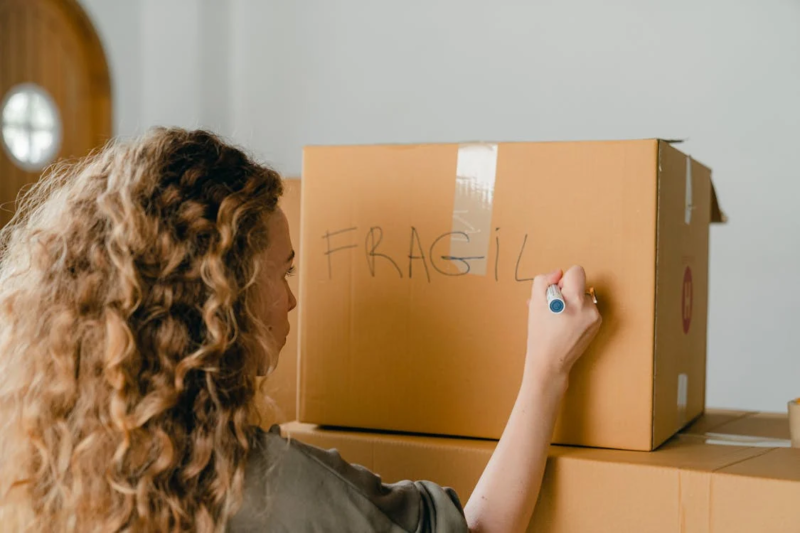
Again, it’s obvious, but you’d be surprised how many logistic carriers will toss boxes around unless they’re actually labeled as fragile. So yes, labeling is key. Clearly mark your package as “Fragile” on all sides. Big stickers and even tape that says fragile might be able to help out, too.
*This is a collaborative post.

