
Innovation in Adversity: How Online Businesses Can Thrive Amidst Trade Sanctions
Trade sanctions can prove a challenge, but online businesses can thrive by seeking out alternative options.

Facing trade sanctions can be an immense challenge for online businesses. The intervention of trade sanctions solicitors often disrupts the seamless flow of international trade, affecting market access, supply chains, and profitability.
In this article, we’ll discuss how online businesses can thrive amidst trade sanctions.
The Impact of Trade Sanctions on Online Businesses
Trade sanctions can significantly impede online businesses by hindering access to crucial markets, disrupting established supply chains, and restricting international transactions.
These restrictions, often imposed due to political or economic reasons, create hurdles that necessitate a strategic approach for businesses to overcome and succeed despite the limitations imposed.
Strategies for Thriving Amidst Trade Sanctions
Diversify Markets
Diversifying markets is a strategic necessity. Businesses, facing the impact of trade sanctions, need to venture into new, less-affected markets. This expansion beyond restricted regions mitigates the sanctions’ adverse effects, fostering alternative avenues for sustainable growth.
By broadening their market reach, online businesses reduce dependency on specific regions affected by trade restrictions. This diversification offers a buffer against market disruptions, ensuring continued operations and sustained growth despite the challenges posed by sanctions.
Stay Informed
Remaining informed is a critical aspect. Businesses must engage in proactive monitoring of evolving trade regulations and geopolitical shifts. This ongoing vigilance allows them to anticipate alterations, evaluate their repercussions, and swiftly adapt strategies to counter potential disruptions.
Staying ahead by consistently gathering information enables companies to navigate the volatile landscape of trade sanctions more effectively, ensuring they can proactively respond to changes and make informed decisions to safeguard their operations.

Optimise Supply Chain
Optimising the supply chain is crucial in identifying vulnerabilities and ensuring resilience against trade sanction-related disruptions. Businesses must diversify their sourcing strategies, exploring alternative suppliers and shipping routes to maintain operational continuity.
By identifying potential weak points within the supply chain and implementing diversified sourcing strategies, companies can fortify their operations against the impact of trade sanctions, ensuring a more robust and adaptable supply chain network that mitigates the risk of disruption.
Leverage E-Commerce Platforms
Leveraging e-commerce platforms provides vital direct-to-consumer sales channels, reducing dependence on traditional distribution methods susceptible to sanction-related impacts.
Embracing these platforms enables businesses to sustain customer outreach and sales despite potential disruptions in conventional channels, ensuring a continued avenue for commerce and customer engagement. In this regard, compliance is key.
Maintaining strict compliance with international trade laws is paramount for businesses navigating trade sanctions. Adhering meticulously to regulatory frameworks safeguards operations from potential legal repercussions stemming from non-compliance, ensuring businesses operate within the confines of sanctioned territories while avoiding any legal ramifications.
Build Strong Relationships
Developing resilient relationships with suppliers, partners, and customers stands as a cornerstone for businesses navigating trade sanctions. These connections foster a supportive network, enabling collaborative problem-solving and shared efforts to mitigate challenges brought on by sanctions.
Building strong relationships allows for a united front against adversities, encouraging open communication, flexibility in operations, and shared insights, ultimately fostering a more adaptable and resilient business ecosystem.
Customise Marketing Strategies
Adapting marketing strategies to align with the constraints imposed by sanctions is essential for businesses. It involves a deliberate and creative approach to promote products and services within the limitations posed by trade restrictions. Customising marketing strategies may involve focusing on alternative marketing channels, emphasising unique selling propositions, highlighting local appeal, or innovating in promotional techniques to resonate with diversified customer bases.
These strategies need to be flexible, responsive, and adaptable, ensuring that businesses can effectively reach their target audience despite the limitations imposed by trade sanctions. Such tailored approaches facilitate brand visibility, engagement, and sustained market presence despite challenging trade circumstances.
Diversify Product Offerings
Expanding the range of products offered by a business serves as a strategic approach to mitigate the impact of trade sanctions. By diversifying their offerings, businesses can address different market segments and reduce reliance on products directly affected by trade restrictions.
Introducing new product lines, variants, or innovative adaptations provides resilience against the limitations imposed by sanctions on specific items. This diversification strategy not only helps to sustain revenue streams but also fosters adaptability within the market.
By exploring new product avenues, businesses can tap into varied consumer needs, potentially discovering untapped markets or niches less affected by the trade constraints, thereby ensuring a more robust and diversified business portfolio.
Engage in Advocacy
Participating actively in industry advocacy groups and initiatives is a proactive step that can significantly impact policy discussions related to trade sanctions. By engaging in such advocacy, businesses contribute to the collective effort aimed at influencing policies and regulations in ways that can positively affect the business environment.
Through these platforms, companies have the opportunity to voice concerns, offer insights, and propose constructive solutions that address the challenges posed by trade restrictions.
Additionally, advocacy efforts can help in fostering collaborations between various stakeholders, policymakers, and regulatory bodies, aiming for policies that support a more conducive and fair-trade landscape.
By being actively involved in advocacy, businesses not only contribute to potential policy changes but also position themselves as informed and influential entities in shaping the future of trade regulations.
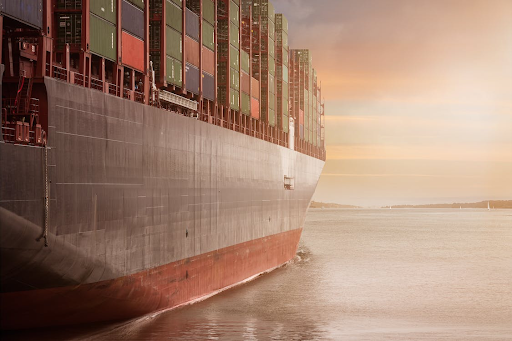
Managing your business successfully online…
Innovation and adaptability are the keys to success for online businesses navigating trade sanctions. By following the strategies set out in this article your businesses can not only survive but thrive in the face of adversity posed by trade sanctions.
*This is a collaborative post.