
Managing Payments From International Customers For Your Small Business
It can be exciting to receive an order from abroad for your side hustle business. But suddenly, you are faced with a dilemma. Should you take the order or not? International customers are likely to have done their research thoroughly, not only to check your services but also to ensure that you truly provide what they need. More often than not, a customer will prefer dealing with a local business for two reasons:
- Easier and faster delivery services
- Less risk of unexpected custom taxes
In other words, when you get an order from abroad, chances are that customers are willing to take the plunge because they found their dream product in your shop. So, first of all, congratulations on reaching a new market! And now to the important question: How can you manage international payments effectively?
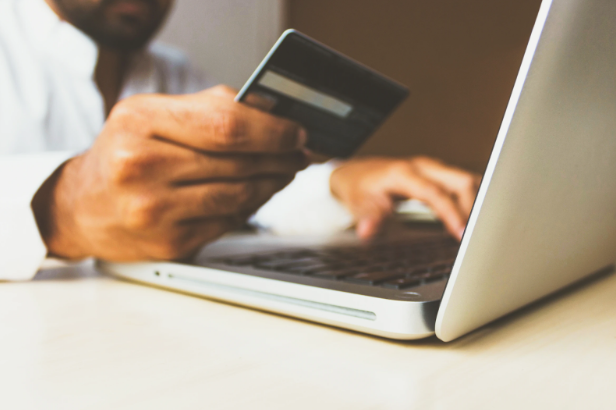
The problem with international payments
Processing international payments can be both time- and money-consuming for small sellers. Besides, some payment systems will not access some payment cards, such as EU direct debit cards, for instance. It could cost you a lot of customers! So, if you are looking to expand abroad, or if you are receiving a lot of queries from abroad, it may be a good idea to look into solutions, such as Inoviopay, that are equipped to handle international payments securely, rapidly, and effectively. For your customers, they can directly see the price in their local currencies, which can also speed up the process as they don’t need to convert to know how much it costs.
What about my Paypal account?
If you take payments via Paypal, you can rest assured that the platform is already equipped to inform customers about how much their orders actually cost. Paypal is used in over 200 countries, so if your customers are abroad, they can very likely send a payment via the platform to your shop.
There is a fee associated with using Paypal for international payments, which is 5% of the transaction with a minimum fee of $0.99 and a maximum of $4.99 for using Paypal funds. Other fees apply for credit or debit cards. For converted funds, Paypal also applies a fee of 4% of the amount. However, for small amounts, customers may not even notice the fee.

Should I have a Paypal account for each currency?
It may seem like a good plan to reduce conversion fees by setting up a Paypal account for each international area you target. So, you could have a $ Paypal for the US, a £ Paypal for the UK, and a € Paypal for the EU. Is it a feasible option? The answer is both yes and no. Yes, you can have more than one Paypal account. However, each account must connect to a unique bank account. So, unless you have a bank account in each country to save currency conversion fees, it is unlikely to be a solution for your business. If you are unsure how your customers feel about it, it’s worth asking your international customers if they mind the Paypal conversion fees. It could provide you with new options to take payments.
International customers are a sign that your side hustle is popular abroad! Why turn them away when there are some ways for you to accept their payments? If you frequently receive orders from abroad, it can be a good idea to research the preferred payment methods in the individual countries, so you can be prepared!
*This is a collaborative post.
