Smart Snacking for Busy Families on a Budget
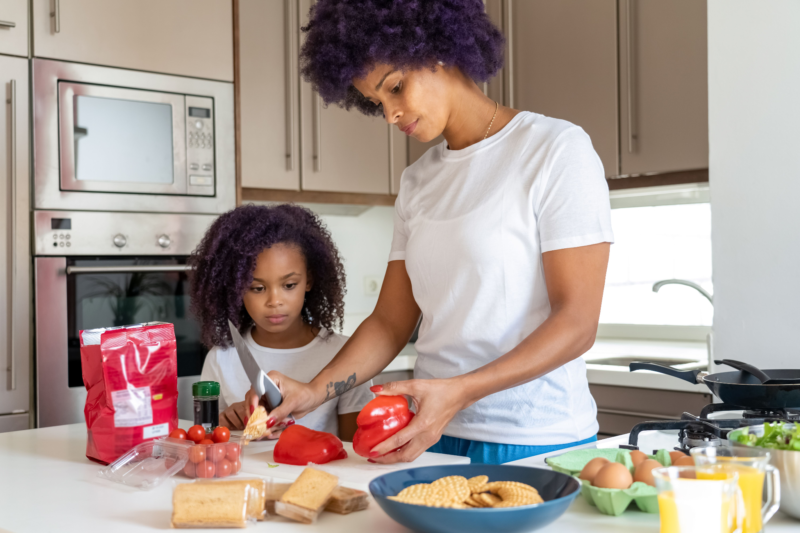
Image Credit: Pexels
Keeping your family fed with healthy snacks can feel like a full-time job, especially when you’re trying to stick to a budget. The constant demand for food between meals, coupled with the high cost of pre-packaged options, can quickly drain your wallet and your energy. The good news is that with a few smart strategies, you can provide nutritious, satisfying snacks without overspending or spending hours in the kitchen.
Planning Saves Pounds
The easiest way to overspend on snacks is to buy them on impulse. A quick trip to the corner shop for a last-minute treat or grabbing something at the petrol station can cost two or three times more than buying from a supermarket. The key to avoiding these budget-busting moments is planning.
At the beginning of the week, jot down a simple snack list. Think about what your family enjoys and what you’ll need for school lunchboxes, after-school fuel, and weekend outings. Adding these items to your main weekly shop is far more cost-effective than making multiple small trips. Having a plan also helps you resist the “pester power” of kids asking for expensive, sugary treats in the checkout aisle. A little smart snack meal prep goes a long way in keeping both your budget and your schedule on track.
Homemade vs. Store-Bought Value
The debate between homemade and store-bought snacks often comes down to a trade-off between cost and convenience. Baking a batch of oat flapjacks or muffins at home is almost always cheaper than buying them individually. You control the ingredients, so you can reduce sugar and add healthy extras like seeds or fruit.
However, busy family life means homemade isn’t always possible. This is where savvy shopping for store-bought options comes in. Look for multi-packs, which are cheaper per unit, and keep an eye out for special offers. Sometimes, the convenience and nutritional profile of a pre-made snack are worth the price. Items like yoghurt pouches, cheese strings, or even healthier savoury options like protein crisps can be a lifesaver on hectic days, offering a more filling alternative to standard crisps while still being quick and easy to grab.
Why Protein Matters for Growing Kids
When choosing snacks, it’s tempting to reach for cheap, carbohydrate-heavy options like biscuits or standard crisps. While these give a quick burst of energy, it’s often followed by a crash that leads to more requests for food just an hour later. This is where protein becomes your secret weapon.
Protein is essential for growing bodies, helping to build and repair tissues. More importantly for your budget, it helps children feel fuller for longer. A protein-rich snack can keep them satisfied until the next meal, reducing the overall amount of food they consume. Incorporating protein doesn’t have to be complicated or expensive. Following a simple guide to healthy eating can help you make smarter choices that keep kids energised and prevent the constant “I’m hungry” chorus.
Quick Protein Boosts for On-the-Go
Finding quick, portable protein sources, such as crispy falafel wraps, is key to successful on-the-go snacking. Many of the best options require minimal preparation and are easy for kids to handle, even in the back of a car or at the park.
Here are a few simple ideas to have on hand:
- Hard-boiled eggs (peeled and ready to go)
- Cheese cubes or cheese strings
- Small pots of hummus with carrot or cucumber sticks
- Roasted chickpeas
- Edamame beans (steamed and lightly salted)
- Small bags of nuts or seeds (for older children)
- Yoghurt pouches or drinks
Having a “snack station” in your fridge with these items ready to grab can save you from reaching for less healthy, more expensive convenience foods when you’re rushing out the door.
Batch Cooking Snack Components
Batch cooking isn’t just for main meals; it’s a brilliant strategy for snacks too. Dedicating an hour on a Sunday afternoon to prep snack components can save you immense time and money throughout the week. You could boil a dozen eggs at once, and they’ll keep in the fridge for several days.
Making a large container of hummus or a bean dip costs a fraction of store-bought versions and provides a healthy base for multiple snacks. You can also cook and shred some chicken breast to use in wraps or mini sandwiches. Other ideas include chopping a week’s worth of vegetables like peppers and carrots for dipping, or baking a big batch of wholegrain muffins and freezing them individually. Simply pull one out in the morning, and it will be defrosted and ready by snack time.
Smart snacking on a budget is entirely achievable. By focusing on planning, protein, and a little bit of prep, you can keep your family happily fed and your finances in check.
