
Teacher Essentials: Top Picks for Classroom Must-Haves
Teaching is a rewarding yet demanding profession. As you embark on your journey as an educator, having the right tools at your disposal can make all the difference. The essential supplies for teachers go beyond just pens and paper, encompassing items that support classroom management, lesson planning, and student engagement.
From colourful bulletin board materials to tech gadgets that streamline tasks, teacher essentials vary depending on your grade level and subject area. New teachers often benefit from organisational tools like planners, filing systems, and storage solutions to keep their workspace tidy and efficient.
First-year teacher must-haves might include a sturdy tote bag for carrying materials, comfortable shoes for long days on your feet, and a reliable laptop for lesson prep and record-keeping. Don’t forget about self-care items like a quality water bottle and healthy snacks to keep you energised throughout the school day.
Obviously, the type of equipment you need will vary depending on your subject speciality – but these are some general tips to help you get started.

Setting up Your Classroom
Creating an inviting and functional classroom space is crucial for effective teaching and learning. A well-organised room with the right furnishings and tools can make a world of difference.
Furnishing and Decor
Start with the basics: desks, chairs, and a whiteboard. Arrange desks in clusters or horseshoe shapes to encourage collaboration. Add a cosy reading corner with a soft rug and cushions for quiet time.
Brighten up the walls with educational posters, student artwork, and a vibrant bulletin board. Use command hooks to hang lightweight items without damaging walls.
Consider investing in storage bins and tubs to keep supplies tidy and accessible. Label each container clearly with a label maker for easy identification.
Don’t forget about comfort! A few plants can add a touch of nature and improve air quality.
Organisational Tools
Invest in a sturdy filing cabinet and plenty of file folders to keep paperwork in order. Colour-code subjects for quick reference.
Binders with page protectors are brilliant for lesson plans and frequently used resources. Keep a set on your desk for easy access.
Create a supply list of classroom essentials like pencils, erasers, and whiteboard markers. Store these in labelled bins within reach of students.
Velcro strips are handy for creating flexible displays or organising learning materials on walls.
A well-stocked teacher’s desk is key. Include a stapler, hole punch, and extra stationery to keep things running smoothly.
Essential Stationery
Stocking up on the right supplies is crucial for a smooth-running classroom. Having these key items on hand will help you stay organised and prepared for various teaching activities.
Writing Supplies
You’ll want a variety of writing tools at your disposal. Stock up on pens in black, blue, and red for marking. Pencils are a must-have for students and teachers alike. Don’t forget sharpeners and erasers to keep those pencils in top shape.
Coloured pencils and markers add flair to projects and posters. Permanent markers come in handy for labelling items. Dry-erase markers are essential for whiteboards, while highlighters help emphasise important information.
Keep a mix of fine-tip and broad-tip options to suit different needs. Having extras of each type ensures you’re never caught short.
Paper Products
A well-stocked paper supply is the backbone of classroom activities. Notebooks in various sizes cater to different subjects and note-taking styles. Chart paper is brilliant for group brainstorming sessions.
Construction paper in assorted colours livens up art projects. Index cards are perfect for flashcards and quick notes. Sticky notes are invaluable for reminders and annotations.
Don’t skimp on printer paper – you’ll use more than you think. Consider keeping some specialty papers on hand for certificates or special projects.
Adhesives and Fasteners
Keeping things together is a constant need in the classroom. Tape is a must-have in various forms: clear, masking, and double-sided. Glue sticks are less messy for younger students and quick paper projects.
Paper clips and binder clips help organise loose papers and handouts. A reliable stapler (with extra staples) is indispensable for multi-page documents.
Consider removable putty or pins for hanging posters and student work. Rubber bands can be surprisingly useful for bundling materials or improvising games.
Teacher Clothing

As a teacher, your wardrobe choices for teacher clothes matter. You want to look professional yet comfortable throughout the school day. Opt for smart-casual attire that allows you to move freely and exudes confidence.
Teacher shirts are a staple. Choose button-ups or blouses in solid colours or subtle patterns. Pair these with trousers or skirts for a polished look. Don’t forget to layer with a cardigan or blazer for chilly classrooms.
For a more relaxed vibe, teacher t-shirts are brilliant. Select ones with educational slogans or subject-specific designs. They’re perfect for dress-down days or field trips.
When the weather turns cold, teacher sweatshirts come in handy. Pick cosy options with your school logo or inspirational quotes. They’ll keep you warm during playground duty.
During the festive season, Christmas teacher shirts add a touch of fun. Look for designs featuring holiday-themed maths problems or literary puns.
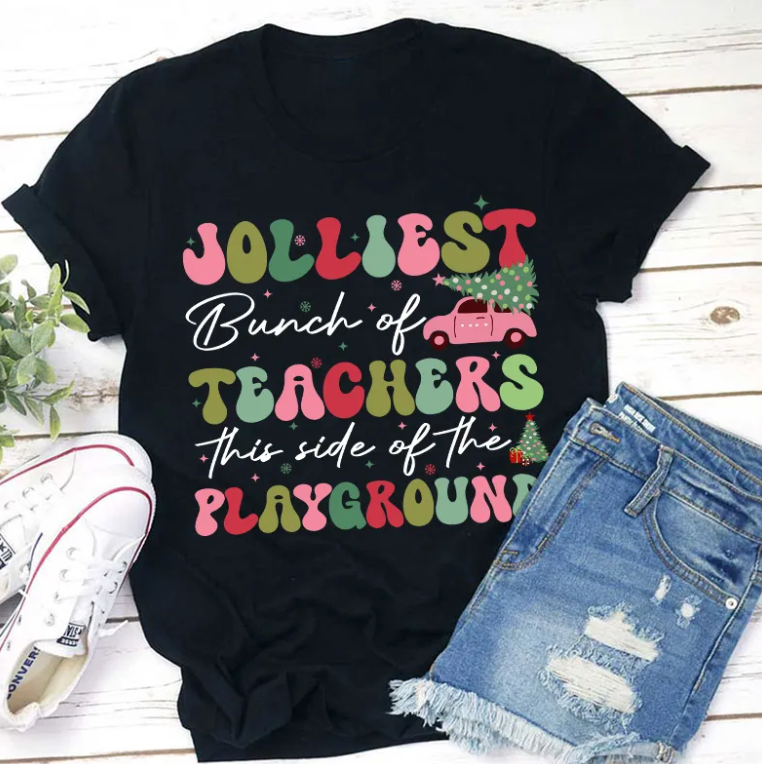
Remember to prioritise comfort. You’ll be on your feet most of the day, so choose fabrics that breathe and shoes that support you. A well-chosen wardrobe can boost your confidence and set a positive tone in the classroom.
Lesson Planning Aids
Effective lesson planning tools and visual aids can transform your teaching approach. These resources help you organise content and engage students more effectively.
Planning Tools
You’ll find a variety of planning tools to streamline your lesson prep. A planner or calendar is essential for mapping out your teaching schedule. Jot down important dates, deadlines, and class topics to stay on track.
Binders and file folders are great for storing worksheets, handouts, and lesson notes. They keep your materials tidy and easily accessible. Many teachers swear by pocket charts for organising daily activities or displaying learning objectives.
Digital tools can revolutionise your planning process. There are loads of apps and websites designed specifically for teachers. These often include features like lesson plan templates, resource libraries, and progress tracking.
Visual Aids
Visual aids are crucial for engaging learning. A whiteboard is a versatile tool for quick explanations and brainstorming sessions. You can use it to draw diagrams, write key points, or create interactive activities.
Flip charts are brilliant for pre-prepared content. You can create colourful, eye-catching displays that capture students’ attention. They’re particularly useful for group work or presentations.
A projector opens up a world of possibilities. You can display images, videos, and interactive content to supplement your lessons. It’s a fantastic way to incorporate technology into your teaching.
Consider using pocket charts to display vocabulary words, maths concepts, or daily schedules. They’re flexible and easy to update, making them ideal for dynamic classroom environments.
Creative Resources
Unleashing creativity in the classroom requires the right tools and materials. You’ll find endless possibilities to engage students and bring lessons to life with these essential resources.
Crafting Materials
Stock up on crayons, glue guns, scissors, and contact paper to fuel artistic expression. These versatile supplies allow you to create colourful displays, interactive posters, and hands-on projects. Don’t forget hole punches and rulers for precision work. Stickers add a fun touch to reward charts and student work.
Velcro and magnets are brilliant for creating adaptable wall displays and learning games. Keep a variety of papers, cardboard, and fabrics on hand for spontaneous crafting sessions. Encourage students to upcycle everyday items into unique artworks.
Visual Enhancements
Clipboards and mini whiteboards offer portable writing surfaces for group activities and brainstorming sessions. Use them to facilitate collaborative learning and quick assessments. Invest in a set of dry-erase markers in various colours for vibrant annotations.
Explore digital tools like Canva to design eye-catching posters, infographics, and presentations. This user-friendly platform empowers you to create professional-looking visuals with minimal effort. Incorporate QR codes in your displays to link to online resources, extending learning beyond the classroom walls.
Classroom Management
Effective classroom management creates a positive learning environment and minimises disruptions. It involves setting clear expectations, implementing consistent systems, and organising the physical space to support student engagement.
Behavioural Systems
Establish clear classroom rules from day one. Post them visibly and review them regularly with your students. Use positive reinforcement to encourage good behaviour, such as praise or reward charts.
Implement a system of behaviour cards to address minor infractions quickly and fairly. Consider using a timer to manage transitions between activities smoothly.
Time management is crucial. Plan your lessons carefully, allowing buffer time for unexpected interruptions. This helps maintain a steady flow and keeps students focused.
Remember to be consistent with your approach. Students thrive on routine and clear expectations. When you follow through consistently, they’re more likely to meet your behavioural standards.
Seating Arrangements
Your classroom layout can significantly impact student behaviour and learning. Create a seating plan that minimises distractions and promotes collaboration when needed.
Consider using rugs or cushions to define different learning areas within your classroom. This can help with group work or provide a cosy reading nook.
Arrange desks to suit your teaching style and lesson objectives. U-shaped layouts encourage discussion, while rows might be better for individual work or tests.
Be flexible with your seating plan. You might need to adjust it based on student needs or classroom dynamics. Don’t hesitate to make changes if you notice certain arrangements aren’t working well.
Remember, the right seating arrangement can improve student focus and reduce behavioural issues. It’s worth taking the time to get it right.
Cleaning and Maintenance
Keeping your classroom tidy and well-maintained is crucial for a safe and productive learning environment. Proper sanitation and maintenance tools are essential for teachers to handle everyday tasks and unexpected messes.
Sanitation Supplies
Hand sanitiser is a must-have in every classroom. Place bottles near entryways and high-traffic areas for easy access. Stock up on tissues to help prevent the spread of germs during cold and flu season.
Disinfectant wipes are handy for quick clean-ups. Use them on frequently touched surfaces like doorknobs, light switches, and shared equipment. Don’t forget to wipe down keyboards and mice in computer labs regularly.
Keep a supply of bin liners on hand for rubbish collection. Consider having separate bins for recycling and general waste to promote environmental awareness among your students.
Maintenance Tools
A basic toolkit can save you time and hassle when minor repairs are needed. Start with a screwdriver set that includes both flathead and Phillips head options in various sizes.
A small hammer is useful for hanging artwork or fixing loose boards. Keep a collection of nuts and bolts in different sizes for quick fixes to furniture or equipment.
Adhesive tapes, such as duct tape and electrical tape, can provide temporary solutions to many classroom issues. They’re great for securing loose cables or mending torn posters.
Consider keeping a small stepladder in your supply closet. It’ll come in handy when you need to reach high shelves or decorate bulletin boards safely.
Professional Development
Staying sharp and connected is crucial for educators. Professional development offers opportunities to expand your skills, learn from others, and stay current with educational trends.
Continual Learning
Take charge of your growth as an educator. Attend workshops and conferences to gain fresh insights and teaching strategies. Online courses provide flexibility to learn at your own pace. Consider pursuing certifications to boost your expertise in specific areas.
Don’t overlook the wealth of free resources available. Educational podcasts, webinars, and blogs can keep you informed about the latest developments in your field. Set aside time each week for professional reading to deepen your knowledge.
Collaboration and Feedback
Team up with your fellow teachers to share ideas and best practices. Join or start a professional learning community within your school. These groups offer a supportive environment to discuss challenges and brainstorm solutions.
Seek out mentorship opportunities, either as a mentor or mentee. This relationship can provide valuable guidance and fresh perspectives on your teaching methods. Participate in peer observations to gain constructive feedback on your classroom techniques.
Regular team meetings can foster a culture of collaboration. Use these gatherings to discuss student progress, align curricula, and plan cross-subject projects. Remember, your colleagues are a rich source of inspiration and support.
Technology Integration
Integrating tech into your classroom can transform teaching and boost student engagement. You’ll want to equip yourself with essential hardware and software to make the most of digital resources.
Hardware Essentials
Start with a reliable computer – it’s the backbone of your digital toolkit. Choose a laptop for portability or a desktop for a permanent setup. Don’t forget a good printer for handouts and worksheets. A document camera is brilliant for sharing physical materials with the whole class.
Invest in a quality set of headphones. They’re ace for listening to educational content or recording lessons. Consider getting a few sets for students to use during computer work or listening exercises.
Interactive whiteboards or touchscreen displays can make lessons more dynamic. They allow you to annotate, save, and share your work easily.
Software and Apps
Educational apps are game-changers for interactive learning. Look for subject-specific apps that align with your curriculum. Many offer engaging activities and instant feedback for students.
Lesson planning software can streamline your prep work. These tools often include templates and resources to save you time. Some even integrate with your school’s learning management system.
Grading apps can speed up assessment. They often allow you to input marks on-the-go and generate reports quickly. This frees up more time for actual teaching.
Explore cloud storage solutions to keep your files organised and accessible from anywhere. It’s handy for collaboration with colleagues and sharing resources with students.
First Day Preparation
Getting ready for the first day of school involves a mix of welcoming activities and necessary admin tasks. You’ll want to strike a balance between setting expectations and helping students feel comfortable in their new environment.
Introduction Activities
Start with a warm welcome and a brief self-introduction. Consider using ice breakers to help students relax and get to know each other. Simple games like ‘Two Truths and a Lie’ or ‘Find Someone Who’ can work wonders.
Pass out introduction cards for students to fill in basic info and interesting facts about themselves. This gives you a quick way to learn names and interests.
Give a short classroom tour, pointing out key areas like supply stations and reading corners. This helps students feel more at ease in their new space.
Administrative Tasks
Whilst admin work isn’t the most exciting, it’s crucial for a smooth start. Begin by taking attendance, ensuring you pronounce names correctly. Ask students to correct you if needed.
Hand out contact information forms for parents or guardians to complete. These are vital for emergencies and keeping families in the loop.
Distribute your classroom policy handouts. Go over the main points, but keep it brief. Focus on key expectations for behaviour, homework, and participation.
Consider creating a simple ‘welcome pack’ with all these forms to make distribution easier. This can include a class schedule and any other essential info for the first week.