
The Essential Steps in Metal Product Manufacturing: A Comprehensive Overview
Metal products are integral parts of our daily lives, from small household items to large-scale industrial equipment. The process of creating these products involves several stages, each of which plays a crucial role in the outcome. By understanding these steps, you will gain valuable insights into the manufacturing process and be better equipped to make informed decisions for your business. In this guide, we will cover everything from material selection to quality control measures, giving you a complete roadmap for successful metal product manufacturing. So let’s dive in and explore the essential steps involved in bringing metal products to life.
Material Selection
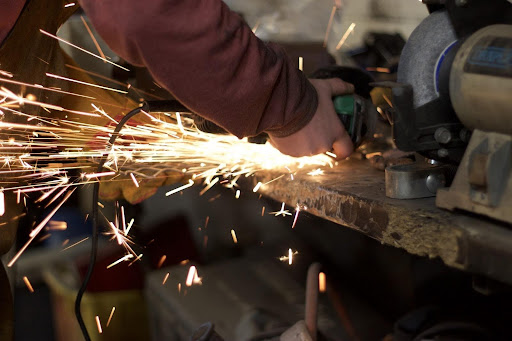
Material selection is the foundation of any metal product manufacturing process. The choice of material can greatly impact the final product’s strength, durability, and overall quality. This step involves careful consideration of various factors, such as the intended application, budget constraints, and desired properties of the end product. In particular, sheet metal fabricators are experts in this area, utilizing their knowledge to select the most suitable materials for specific projects. They take into account factors such as thickness, strength, and corrosion resistance to ensure the best results for their clients. Without proper material selection, even the most advanced manufacturing techniques can’t produce a successful end product.
From Design to Prototype
The next step is to transform the initial design into a prototype. This stage usually involves computer-aided design (CAD) software and 3D printing technology, allowing for precise and accurate representation of the product before moving into mass production. The prototyping process allows for any necessary adjustments or modifications to be made, ensuring that the final product meets the desired specifications. This step is crucial in catching any potential design flaws or issues early on, saving both time and resources in the long run.
Precision Machining
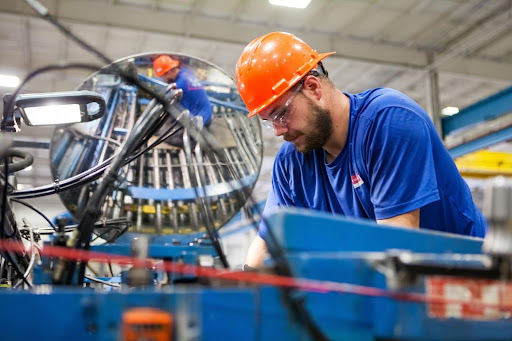
Precision machining is an important step in the metal product manufacturing process, turning raw materials into functional parts that meet specific requirements. This process involves using various cutting tools to remove material from a larger workpiece and create the desired shape, size, and surface finish. With advancements in technology, precision machining has become highly automated and precise, allowing for complex shapes and designs to be achieved. This step is crucial in ensuring the accuracy and consistency of the final product, making it suitable for its intended use.
Ensuring Quality and Compliance
To ensure that the final product meets all necessary quality and compliance standards, there are several steps that manufacturers must take. First and foremost, rigorous testing and inspection procedures must be in place throughout the production process to catch any defects or inconsistencies. Quality control measures such as statistical process control (SPC) and Six Sigma techniques also play a crucial role in maintaining consistency and identifying areas for improvement. Finally, compliance with industry regulations and standards is vital to ensure the safety and effectiveness of the final product.
The metal product manufacturing process involves several essential steps that are crucial in creating high-quality and functional products. By understanding these steps and their importance, businesses can make informed decisions to produce the best possible end product. With advancements in technology and a focus on quality and compliance, the metal product manufacturing industry continues to evolve and improve, making it possible to create even more innovative and efficient products.