
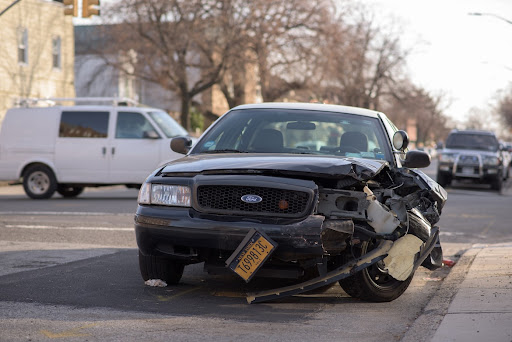
The Road to Recovery: How to Regain Your Financial Stability After a Car Crash
Car accidents can be a traumatic experience, leaving you with physical and emotional pain not to mention the financial burden of car repairs and medical bills. In many cases, the monetary cost of an accident is just as difficult to handle as any other aspect of this terrifying event. After an unexpected crash has left your wallet empty, it can feel like there’s no way back. But take heart — there are steps you can take to regain your financial stability and secure your future after a car accident. This post will explore how understanding insurance coverage, knowing when to seek legal help, budgeting wisely, finding government support if needed, and utilizing available resources are all key components in achieving this goal.
Understand the costs associated with a car accident
Car accidents can happen in the blink of an eye, leaving you with not only physical injuries but financial ones as well. The costs can add up quickly, from medical bills for treatment, therapy, and rehabilitation, to the repair or replacement of your vehicle. Depending on the severity of the accident, you may find yourself out of work and dealing with lost wages. Further, there may be legal expenses to consider, particularly if the accident was caused by another party. Understanding the full range of costs associated with a car accident can help you make informed decisions and protect yourself financially. Additionally, you should be sure to familiarize yourself with the details of your insurance policy and any coverage it offers. While understanding your insurance coverage is an important step in regaining financial stability after a car accident, seeking the assistance of a qualified attorney may also be beneficial. An experienced car accident lawyer may help you in getting the compensation you deserve. In some cases, the other party involved in a car accident may be held legally and financially responsible for any damages. This means that you could receive insurance payouts as well as compensation for medical bills, lost wages, and pain and suffering.
File a claim with your insurance company
Filing a claim with your insurance company as soon as possible is crucial in ensuring that you get the compensation you rightly deserve. Whether you’ve been in an accident or suffered damage to your property, it’s essential to notify your insurance company as soon as possible. Keeping records of all documents related to your claim can help you stay organized and provide the necessary evidence to support your claim. Remember that insurance companies have specific procedures when it comes to claims, so it’s essential to stay informed throughout the process. By doing so, you can ensure that your claim is processed quickly and efficiently, enabling you to move forward and put the incident behind you.
Make an appointment with a financial advisor
Managing your finances can be a daunting task, especially when you have multiple sources of income and expenses to keep track of. That’s where a financial advisor comes in. By making an appointment with a financial advisor, you can get a clearer picture of your financial status and identify areas where you may need to make changes. Whether you’re looking to create a long-term financial plan or simply want to ensure that you’re on the right track, a financial advisor can provide the guidance and support you need. So why wait? Schedule an appointment today and take the first step towards a healthier financial future.
Develop an action plan for paying off any debts accrued from the accident
Being involved in an accident can leave you not only physically injured but also financially burdened as a result of the debts accrued from the incident. However, it’s possible to get out of debt with a concise, actionable plan for repayment. Start by taking stock of all your debt and creating a budget to determine how much you can afford to pay monthly. Prioritize your debts and focus on paying off the highest interest obligations first while continuing to make minimum payments on the rest. Consider consolidating your debts into one payment, negotiating a payment plan with creditors, or seeking the assistance of a credit counselor. A well-planned strategy will not only help you pay off debts but also provide you with financial stability and peace of mind.
Look into open-ended credit options
When it comes to borrowing money, there are many options to consider. Two popular choices for open-ended credit are 0% APR credit cards and peer-to-peer lending platforms. 0% APR credit cards offer a period of time where no interest is charged on purchases or balance transfers. This can be a great way to fund larger purchases without accumulating interest. Peer-to-peer lending platforms allow individuals to lend and borrow money directly from one another, often at lower interest rates than traditional banks. With both of these options, it’s important to do your research and carefully consider the terms and conditions before applying.
Explore additional methods to cut costs
As the saying goes, a penny saved is a penny earned. In today’s economy, it is more important than ever to be conscious of our spending habits in order to stay financially afloat. One effective way to improve your cash flow is to explore additional methods of cutting costs. Restructuring your budget, canceling unused subscriptions, and selling items you no longer need are just a few of the ways you can free up some extra cash. By taking a closer look at your expenses, you may be surprised at how much money you could potentially save. With the right mindset and a bit of effort, it’s possible to live comfortably while staying within your budget.

Recovering financially after a car accident doesn’t have to feel like a mission impossible. By taking the right steps, such as understanding the costs associated with your crash and filing an insurance claim promptly, you can begin rebuilding your financial stability. Whether you take advantage of open-ended credit options like 0% APR cards and peer-to-peer lending platforms or scale back on expenses by restructuring your budget, it’s important not to get overwhelmed by the seemingly challenging task ahead. Make an appointment with a financial advisor for professional guidance or reach out to family and friends for support—remember, you don’t have to go through this alone! Take steps today towards creating healthy financial habits that will last long into the future and set yourself up for success even after dealing with a potentially costly car accident.