
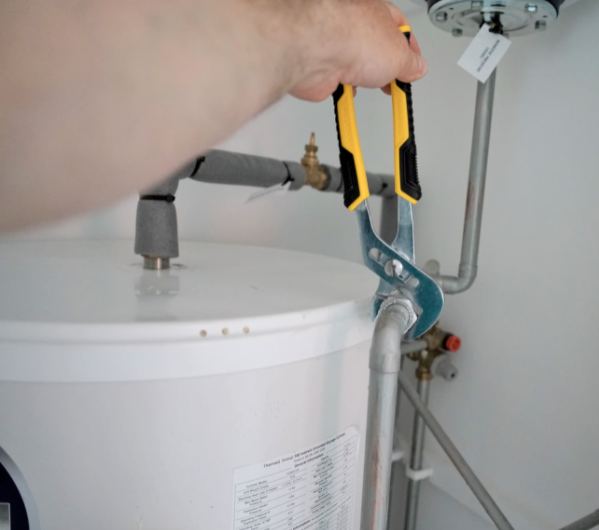
Top 4 Ways To Fix Your Water Heater When Leaking
If you’re dealing with a leaky water heater, you probably know that you have to sort out some repairs or replace some parts. This being said, there are many common causes of water heater leaks, and each of these causes typically requires a different response. To help smooth out the process, the following will explore a few standard things to look for to help you troubleshoot the cause and solution to water heater leaks.
Why Is A Leak Such A Problem?
While teeny leaks might not seem like that big of a deal (you can just wipe up the little puddle and carry on with your day), they’re actually something that needs to be taken very seriously. Leaks not only indicate that something is wrong with your water heater that needs to be addressed if you don’t want further breakdown and potentially no hot water, when you need it most, (like when your in-laws come and stay over and are appalled to find that you can’t bathe the kids right now because there’s only cold water), but they also can also cause a lot of damage to your home or your health. Mould and mildew love to grow in waterlogged places and can have some severe problems like respiratory issues, headaches, and mold poisoning. Moreover, water slowly harms things like floors and walls, causing warping, peeling, and permanent damage to fixtures. Cleaning up leaked water is important, but finding the cause of the leak and addressing it is vital if you want a home that is safe and clean.
Water Pooling On Top
If the leak has resulted in water pooling on the top of your water heater, it’s possible that the cause of the leak can be found in the supply valve, the cold water inlet, or the hot water outlet. Water heater professionals at waterheaterleakinginfo.com point out that, typically, leaks occur where there are pipe connections, so once your water is turned off, you can tighten any fittings. If the temperature and pressure relief valve are where the leak is located, you can replace the valve yourself or call a professional plumber to help you out with that if needed.
Drain Valve Issues
Often one of the cheapest parts of a water heater is the drain valve which is typically located near the bottom of the tank. It’s what is used to drain the tank when repairs or maintenance need to be done. If the drain valve is completely closed but water is still coming from the opening, it’s probably time to replace the valve. You’ll need to turn off the water in your home before you attempt to do this. It might also be worth noting that the drain valve is often the first part to go on a water heater and need replacement.
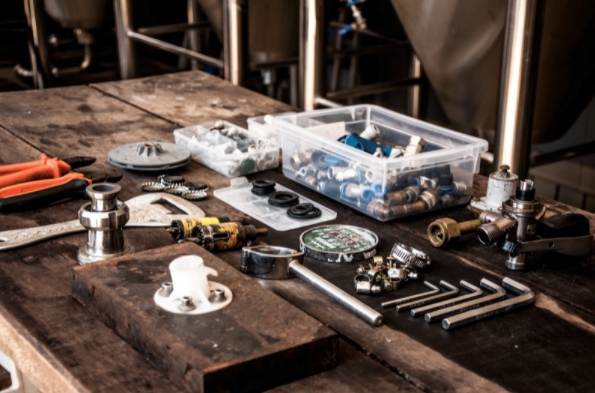
Water Pooling Beneath The Heater
Often when water is pooling beneath your water heater, this is an indication that the internal tank is leaking. The internal tank is typically made of steel, wrapped in insulation, and enclosed with an outer casing. If the steel within is leaking, often the leak won’t be visible to you given these extra layers covering it up. This often results in the water running down the tank and escaping out the bottom. If there’s moisture where valves enter the tank, this is a pretty good indication that the tank is leaking. This is something that happens over time and is greatly influenced by the age of your water heater. Sometimes leaks like this can be repaired by yourself or a professional, but sometimes this is an indication that it’s time to get a new water heater as if it’s old enough to leak in one place, it’s old enough to start leaking somewhere else as well.
Cold Water In Or Hot Water Out Connections
If the leak you’re dealing with is located either where the cold water inlet connects to the water heater or the hot water outlet connects to the heater, sometimes all that needs to be done is a quick tightening up of the connections using a pipe wrench. This should be the first thing you try. If this doesn’t deal with the leak, then you might need to look into replacing the flex lines.
The above list covered a few of the most common causes of water heater leaks. Of course, there are additional causes that are rarer. If you’re unsure about the cause of a leak or don’t feel comfortable addressing problems yourself, you can always reach out to a local professional who will come and take a look for you.