

What is the Cheapest Way to Heat a Room?
With rising energy prices, finding the cheapest way to heat a room has become a priority for many families. As bills increase, people are searching for efficient and cost-effective methods to keep their living spaces warm and cosy whilst keeping their bills down.
Optimising Room Insulation
One of the first things to think about is how to keep the warmth in and the cold out. Making sure your home is well insulated can have a huge impact on your energy bills. A poorly insulated room will allow heat to escape. So all that money you’re paying on your energy bills is literally flying out of the windows.
Caulking and Weatherstripping
One of the most effective ways to improve insulation in a room is to fix any drafts and air leaks. Caulking and weatherstripping are two practical methods for sealing gaps and cracks, especially around windows and doors. Don’t forget to check outlets for drafts as well.
- Caulking: Use caulk to seal gaps in window frames and door frames. Choose a long-lasting, waterproof caulk suitable for use indoors.
- Weatherstripping: Ideal for movable components like doors and windows, weatherstripping provides a flexible seal to keep out drafts. Weatherstripping should provide a good seal when windows and doors are closed but still allow them to open freely.
Cover Your Windows
Curtains and blinds can significantly reduce heat loss through windows.
- Curtains: Opt for insulated or thermal curtains to minimise heat loss. For better results, use a two-layered curtain, with one heavy layer and one lighter layer. Make sure the curtains are well-fitted and placed close to the window.
- Blinds: While not as effective as curtains, blinds can still help to insulate a room. Cellular shades or Roman blinds create a barrier and increase insulation.
Flooring Options
You can also improve the insulation in a room by insulating the floor. A few ways you can achieve this are by using rugs, carpets and draught excluders:
- Area Rugs: Placing rugs on hard floors can help retain warmth. They reduce heat loss by providing an insulation layer and making walking on the floor more comfortable during colder months.
- Carpeting: Wall-to-wall carpets have a higher insulation value than hard flooring, but the best results are achieved when combined with a high-quality underlay.
- Draught Excluders: Draught excluders prevent cold air from entering the room underneath the doors. You can use a standalone draught excluder that you just move as and when you want to open the door, or you can fit brushes to the bottom of your doors to prevent heat loss.
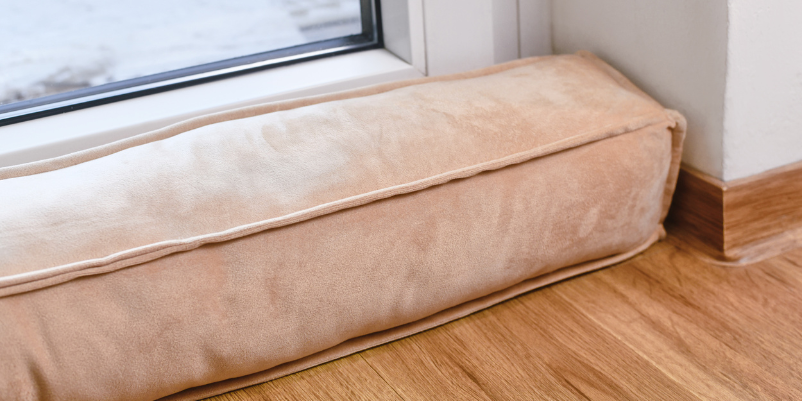
Remember, addressing drafts, leaks, and gaps through caulking and weatherstripping, using effective window treatments, and optimising floor insulation can all contribute to the most cost-effective way to heat a room.
Heating Solutions
There are many different ways to heat your home; some cost more than others.
Radiators
Radiators are a common heating solution in many homes. They are typically connected to a central heating system powered by a gas boiler. While they may not be the cheapest solution upfront, they offer several advantages. For instance, using a smart thermostat can make your radiator system more energy-efficient by allowing you to control the temperature in each room separately. Alternatively, you could use thermostatic radiator valves so that you can adjust the temperature on the radiators. You don’t want to be paying to heat rooms you’re not using, so turn the thermostat down for the rooms you don’t want to heat, and turn it up in the rooms you do. Make sure you get a professional in for a regular boiler service to make sure your boiler is working as efficiently as possible.
Space Heaters
Space heaters are a popular and affordable option for heating a small area or room. They come in various types: electric space heaters, gas heaters or oil-filled heaters. When used wisely, space heaters can offer a cost-effective way to heat a room. Choosing energy-efficient space heaters and use them in a well-insulated space is essential to maximise their benefits. Always remember to turn off the space heater when not needed to save on heating bills or use less domestic heating oil, therefore keeping your costs down.
Fireplaces
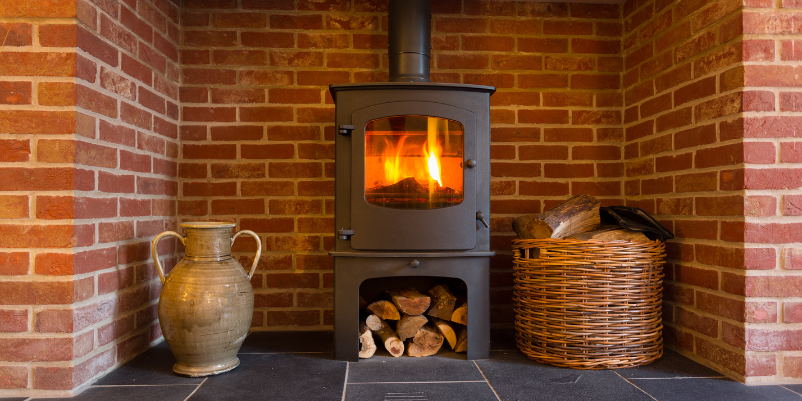
Fireplaces offer a traditional and cosy solution to heating a room. Wood-burning fireplaces give off a charming ambience, while gas fireplaces offer a more convenient and controlled option. Consider using dry, seasoned wood to make fireplaces more efficient and ensure proper ventilation. Regular cleaning and maintenance help keep the fireplace in good condition, ultimately contributing to cost savings.
Using Household Items
Blankets and Rugs
Using blankets and rugs can be an effective way to keep a room warm. By placing extra blankets on the bed, or sofas, or covering windowsills, you can create a cosy atmosphere and trap heat. Additionally, rugs help insulate floors, preventing heat from escaping through them and making the room feel warmer overall.
- Place blankets on furniture
- Use rugs on floors to insulate
Electric Blankets
Although you obviously need to use electricity to heat an electric blanket, it can be a cost-effective way to heat your bed before you get in and eliminate the need to turn the central heating on.
Furniture Arrangement
Rearranging furniture can significantly affect how heat is distributed throughout the room. Placing larger items, such as bookshelves and sofas, against external walls can act as insulation. Similarly, avoid blocking radiators or heat vents with furniture to make sure air can circulate properly.
Use the Sunlight
Sunlight is a natural and free source of heat that can be easily taken advantage of. Open curtains or blinds during the day to allow sunlight to enter and heat up the room. Closing them at night will help retain the warmth from the sun. Consider adjusting windows or installing skylights to maximise sunlight exposure.
Heat up the Person
One of the main pieces of advice I’ve seen over the last few months is to actually heat the person rather than heat the room. This can work really well and really reduce your heating costs.
Hot Water Bottles
Hot water bottles are an inexpensive and portable method of heating up small spaces in a room. They are perfect for use while sleeping or sitting in a specific area for extended periods. By simply filling the bottle with hot water and placing it near you, the heat radiates and warms up the space around you. This requires no electricity or extra equipment, making it an attractive option for those looking for a simple, cost-effective solution.
Wear Extra Layers
Wearing extra layers will help to keep you warm without having to worry about energy costs. I work from home and when it’s been particularly cold I’ve either worn a thick dressing gown or a blanket hoodie. I’ve found this has worked really well. I don’t like to turn the heating on when it’s just me at home with the cost of electricity and gas being so high at the moment.


Energy Efficiency and Savings
Thermostats and Timers
Energy-efficient heating in a room can be achieved by using thermostats and timers. These devices help regulate the temperature in the room, ensuring that the heating system is only active when needed. This can lead to significant savings on your utility bill. Some smart thermostats even learn your patterns and preferences, adjusting the heating schedule accordingly.
Vents and Dampers
Vents and dampers play a crucial role in controlling airflow and maintaining the temperature of a space. Using adjustable vents allows you to direct warm air to specific areas of the room, maximising heat distribution. Dampers, on the other hand, help control the airflow through the heating system. By keeping these components clean and well-maintained, you can improve energy efficiency and save on your utility bill.
What is the Cheapest Way to Heat a Room Without Electricity?
The cheapest way to heat a room without electricity is typically by using a portable gas heater, such as a propane or natural gas model. These heaters can provide a good amount of heat and can be moved around the room as needed. Some disadvantages, however, include the risk of carbon monoxide poisoning and the need to refill the fuel source. To stay safe, make sure the room is well-ventilated and follow the manufacturer’s safety guidelines.
What Type of Heater is Cheapest to Run?
Here are the most cost-effective heaters to run:
- Infrared heaters: These energy-efficient heaters provide direct heat to objects and people in the room rather than warming the air.
- Oil-filled radiators: They use electricity to heat the oil inside and release warmth evenly. These radiators are energy-efficient as they retain heat even after being switched off.
- Convection heaters: They use the natural movement of air to spread warmth. These heaters are usually cheaper to run but take longer to heat up a room.
Selecting the right type of energy-efficient heater and maintaining proper use of thermostats, timers, vents, and dampers will help in achieving the cheapest way to heat a room while ensuring savings on utility bills.
Health Aspects and Precautions
A poorly heated room can lead to various health issues, including increased blood pressure due to the body working harder to maintain its core temperature.
Think about choosing a heating method that maintains a consistent temperature, preventing sudden fluctuations that could impact health. For example, electric heaters are known to provide consistent heat, making them a good option for those with blood pressure concerns.
Here are some precautions to consider when choosing a heating method:
- Ensure the heater is placed in a safe and suitable location to avoid accidents, like knocks and fire hazards.
- Regularly clean and maintain the heater to prevent dust and allergen build-up.
- Keep a safe distance from the heat source to prevent burns or overheating.
- Always follow the manufacturer’s guidelines for proper usage and safety measures.
What is the Cheapest Ways to Heat a House?
When it comes to heating a house, there are several cost-effective methods that can help save energy and money. One of the cheapest ways to heat a house is by using space heaters. These appliances are energy-efficient and portable, allowing homeowners to heat specific areas of their homes.
Another affordable option is to use a programmable thermostat, such as the Ecobee. The Ecobee allows you to set the temperature according to your daily schedule and preferences and helps to reduce energy waste when no one is at home. Furthermore, the device can learn occupants’ routines and adjust the heating accordingly, resulting in increased energy savings.
You should also look at:
- Insulation: Properly insulating your home prevents heat from escaping, thus reducing the need for additional heating.
- Solar heating: Installing solar panels can be an effective way to generate free heat.
Lastly, using energy-efficient heating systems like heat pumps or underfloor heating can be cheaper alternatives. These systems consume less energy and distribute warmth evenly throughout the house. While the initial installation costs may be higher, the potential long-term savings make them worth considering.

There are several ways to heat a room, but the cheapest option will depend on your specific circumstances. If you’re looking for a low-cost solution, using a space heater or electric radiator may be a good option, especially if you only need to heat a small area. However, if you’re looking to heat a larger space, a central heating system fueled by gas or oil may be more cost-effective in the long run. It’s also important to consider factors such as insulation, draught-proofing, and energy-efficient window treatments, as these can help to reduce heat loss and lower your energy bills. Ultimately, the cheapest way to heat a room will depend on a variety of factors, including the size of the space, your budget, and your energy needs.