
8 Essential Considerations for a Money-Wise Car Purchase
In a world where mobility is essential, purchasing a car is often considered a significant milestone. However, the excitement of owning a new vehicle can sometimes overshadow the importance of making a financially prudent decision. A money-wise car purchase goes beyond just finding a vehicle that fits your preferences; it involves careful consideration of various factors to ensure you get the best value for your money. Whether you’re a seasoned car buyer or a first-time purchaser, navigating the complexities of the automotive market can be daunting. From establishing a realistic budget to researching different makes and models, there are several crucial steps to take before signing on the dotted line. In this guide, we’ll explore eight essential considerations that can help you make a wise investment when buying a car, empowering you to navigate the car-buying process with confidence and financial savvy.

Establish Your Budget
Before embarking on your car-buying journey, it’s crucial to establish a realistic budget. Consider your financial situation, including your income, expenses, and any existing debts. Determine how much you can comfortably afford to spend on a car without stretching your finances too thin. Remember to account for additional costs such as insurance, maintenance, and fuel. Setting a budget will help narrow down your options and prevent you from overspending, ensuring that you find a vehicle that meets your needs without breaking the bank.
Research Thoroughly
With countless makes and models available in the market, conducting thorough research is essential to make an informed decision. Start by identifying your priorities, whether it’s fuel efficiency, safety features, or cargo space. Research different car brands and models read reviews from experts and owners, and compare prices from various dealerships. Pay attention to factors such as reliability ratings, resale value, and ownership costs over time. If you’re looking for an established parallel importer, consider their reputation and track record in providing quality vehicles at competitive prices. Armed with knowledge, you’ll be better equipped to choose a car that offers the best value for your money.
Consider Buying Used
While the allure of a brand-new car is undeniable, buying used can be a more financially savvy option for many buyers. Used cars typically come with a lower price tag and experience less depreciation than their new counterparts. However, it’s essential to proceed with caution and thoroughly inspect any used vehicle you’re considering purchasing. Look for signs of wear and tear, check the vehicle’s maintenance history, and consider having a trusted mechanic perform a pre-purchase inspection. Buying used can be an excellent way to save money while still getting a reliable vehicle that meets your needs.
Evaluate Financing Options
Unless you’re paying for your car in cash, you’ll need to consider financing options when making a purchase. Before agreeing to a loan, shop around and compare interest rates and terms from multiple lenders, including banks, credit unions, and online lenders. Keep in mind that a lower interest rate can save you thousands of dollars over the life of the loan. Additionally, consider the length of the loan term and how it will affect your monthly payments and overall cost. Opting for a shorter loan term can help you save on interest and pay off your car sooner, but it may also result in higher monthly payments.
Factor in Depreciation
Depreciation is a significant consideration when buying a car, as it can have a significant impact on its long-term value. New cars typically depreciate the most in the first few years of ownership, losing a significant portion of their value as soon as they’re driven off the lot. To minimize the effects of depreciation, consider purchasing a used car or opting for a vehicle with a reputation for holding its value well. Additionally, taking good care of your car by following recommended maintenance schedules and keeping it clean can help slow depreciation over time.
Don’t Overlook Insurance Costs
Insurance is a necessary expense when owning a car, but the cost can vary significantly depending on factors such as the vehicle’s make and model, your driving history, and where you live. Before purchasing a car, obtain insurance quotes for the models you’re considering to get an idea of the potential costs. Keep in mind that factors such as safety features, theft rates, and repair costs can influence insurance premiums. Additionally, consider bundling your auto insurance with other policies, such as homeowners or renters insurance, to potentially qualify for discounts and save money on premiums.
Plan for Maintenance and Repairs
Owning a car involves ongoing maintenance and occasional repairs, so it’s essential to budget for these expenses accordingly. Regular maintenance, such as oil changes, tire rotations, and brake inspections, can help prevent costly repairs down the line and prolong your vehicle’s lifespan. Factor in these maintenance costs when budgeting for your car purchase and consider setting aside a separate fund for unexpected repairs. Additionally, familiarize yourself with the manufacturer’s recommended maintenance schedule for your vehicle and follow it diligently to keep your car running smoothly and avoid expensive repairs.
Negotiate Wisely
When it comes time to purchase your car, don’t be afraid to negotiate for the best possible price. Research the fair market value of the vehicle you’re interested in and use this information to negotiate with the seller or dealership. Be prepared to walk away if the price isn’t right, and don’t be swayed by sales tactics or pressure to make a quick decision. Consider leveraging any available incentives, such as manufacturer rebates or dealer discounts, to lower the price further. With careful negotiation, you can ensure that you get the best deal possible on your car purchase.
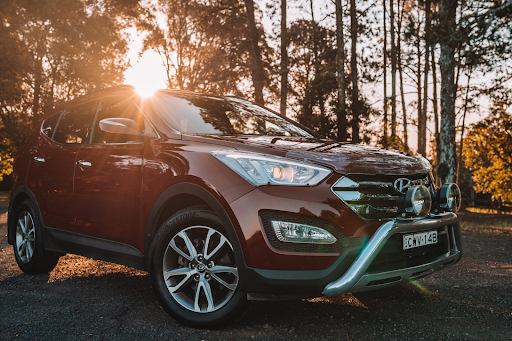
Buying a car is a significant financial decision, and taking the time to consider these essential factors can help you make a money-wise choice. By establishing a budget, conducting thorough research, and exploring financing options, you can find a vehicle that meets your needs without breaking the bank. Whether you opt for a new or used car, prioritize factors such as depreciation, insurance costs, and maintenance expenses to maximize the value of your investment. With careful planning and consideration, you can drive away with confidence knowing that you’ve made a smart and financially prudent decision.


