
How to Wash Muslin Cloth
Muslin cloth is a versatile fabric that is widely used in various ways, from fashion to kitchen textiles and even baby care. It is known for its soft, breathable and absorbent properties, making it an ideal choice for multiple purposes. One of the challenges that comes with using muslin cloth is how to properly wash and care for it to ensure its durability and longevity.
To make the most of your muslin cloth, it is essential to understand and follow the appropriate washing techniques. This article will provide you with the knowledge and guidance required to maintain the quality and effectiveness of your muslin cloth for years to come. With proper care, you can enjoy the countless benefits that muslin cloth has to offer, from cooking to personal care, making it an indispensable item in your home.
What Are the Different Types of Muslin?
Muslin fabric comes in various types, each with its unique qualities and applications. The most common types of muslin include Gauze, Mull, Swiss Muslin, and Sheeting. It is vital to understand the differences between these types, as it determines the appropriate washing methods and care required for each.
Gauze muslin is a loosely woven and lightweight fabric known for its breathability. It is often used for making baby wraps, muslin squares, and dress linings. Gauze muslin is soft against the skin and becomes even more delicate with each wash, making it perfect for delicate or sensitive skin.
Mull muslin, on the other hand, is a type of muslin with a finer texture. It is closely woven and less transparent than Gauze. Mull muslin is suitable for lightweight apparels like blouses, dresses, and summer clothing. Due to its smoothness, it requires gentle washing techniques to maintain its quality and appearance.
Swiss Muslin is a more luxurious type of muslin fabric that features intricate embroidery or lacework, often used for high-quality garments or home décor. It is typically more expensive than other muslin varieties and requires specialised care to preserve its intricate details and prevent damage during washing.
Finally, Sheeting muslin is a heavier and denser type of muslin fabric with a soft and smooth texture. It is ideal for creating bedding, curtains, and upholstery. As it is more robust and less prone to damage, Sheeting muslin can be washed with more vigorous methods compared to the other types of muslin.
What Is the Difference Between Cotton and Muslin?
Cotton is a natural fibre obtained from the cotton plant, while muslin is a lightweight, breathable fabric made from cotton fibres. Both cotton and muslin share some similarities, such as their origin and their comfort in use. However, they also have some distinct differences.
The most significant difference between cotton and muslin lies in the weaving process. Cotton fabrics are typically tightly woven, resulting in a smooth, durable material. In contrast, muslin is characterised by its loose weave, which gives it a soft, open texture. This attribute contributes to muslin’s breathability and allows it to drape more easily than cotton.
Another notable difference between cotton and muslin is their appearance. Cotton fabrics come in a variety of colours and patterns, whereas muslin is usually found unbleached and undyed, showcasing its natural off-white hue. The simple appearance of muslin makes it a popular choice for artists’ backdrops, as well as for baby products such as swaddle blankets and burp cloths.
Due to its loose weave, muslin is often more affordable than tightly-woven cotton fabrics. Its lower cost makes muslin an attractive option for various practical purposes, including kitchen towels, reusable produce bags, and cheesecloth.
How to Wash Muslin Fabric
Choosing the Right Detergent
To maintain the quality of your muslin cloth, it is essential to choose a gentle laundry soap or mild detergent. Harsh chemicals in regular detergents can weaken the fibres and potentially damage the cloth. You can also use a natural alternative like bicarbonate of soda or lemon juice mixed with water.
Pre-Washing Preparations
Before washing, check the care label on your muslin cloth for any specific instructions. It is generally advised to wash muslin items separately from other fabrics to avoid colour bleeding or damage. Remove any stains using a mixture of cold water and baking soda or another mild cleaning agent.
Hand Washing Muslin Cloth
Hand washing is the gentlest method for cleaning muslin fabric. Fill a basin with cold water and add an appropriate amount of mild detergent or gentle laundry soap. Submerge the muslin cloth and gently agitate it in the water. Let it soak for a few minutes, then rinse it thoroughly with cold water. Gently squeeze out excess water—avoid wringing or twisting.
Machine Washing Muslin Cloth
You can also machine wash muslin cloth on a delicate cycle with cold water and a mild detergent. Adding a small amount of white vinegar to the rinse cycle can help remove any residue and prevent fabric stiffness. Avoid using chlorine bleach or fabric softener, as they can damage the material and cause it to lose its softness.
Drying Muslin Cloth
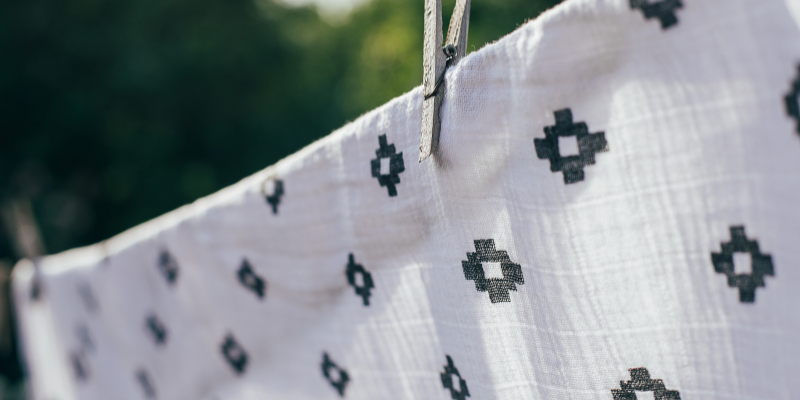
To dry, gently press the muslin cloth between two absorbent towels to remove excess water. Air-dry it by laying the cloth flat or hanging it on a line, away from direct sunlight, which can cause the fabric to fade. Do not tumble dry, as this can shrink the cloth and weaken the fibres.
Ironing Muslin Cloth
To remove wrinkles, iron your muslin cloth on a low heat setting with light pressure. Consider using a cloth or thin towel between the iron and the fabric to prevent scorching or damage to the delicate fibres. Always remember to test a small, inconspicuous area first to ensure the iron’s heat is not too high.
Storing Muslin Cloth
Proper storage ensures your muslin cloth remains in good condition. Store it in a cool, dry place away from direct sunlight. Fold or roll it neatly and place in a drawer or on a shelf. For long-term storage, consider using a breathable fabric bag or container to protect the cloth from dust and moisture.
Conclusion
Muslin cloth, being a delicate and versatile fabric, requires proper care and attention during the washing process. You should always check the care label before wahing. A gentle hand wash using cool water and mild detergent is usually recommended. However, if the cloth appears to be sturdy and the care label permits, it can occasionally be machine washed.
When drying muslin cloth, it is best to avoid direct sunlight and excessive heat. Adopting a method where the cloth is laid flat to dry or hanging it on a line would prove most effective. To maintain the fabric’s quality for a long time, it is essential to avoid wringing or twisting it.
Ironing muslin cloth might not be necessary, especially if it’s purposefully wrinkled, but if required, a low-temperature setting is recommended. By sticking to these guidelines, the longevity and quality of muslin cloth can be retained, ensuring its usefulness and aesthetic appeal.
*This is a collaborative post.


