Keeping Your Home Warm in the Winter
As winter approaches, many homeowners are seeking effective ways to keep their homes warm and comfortable. It is crucial to maintain an ambient temperature to ensure the well-being of everyone inside and to prevent potential health problems caused by long-term exposure to cold conditions. From insulation to heating systems, there are various things you can do to keep your home warm in the winter.
Understanding Heat Loss
First of all, it’s important to make sure you keep the heat in. There’s no point getting your house nice and toasty and then just letting all that heat escape.
Insulation Basics
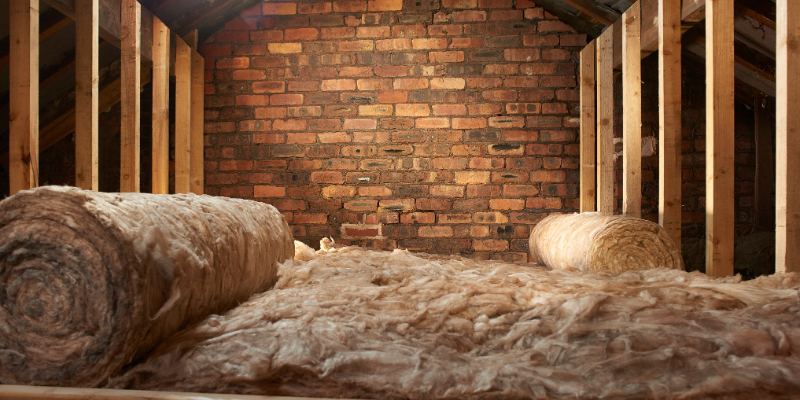
Insulation is a significant factor when it comes to preventing heat loss in your home. The primary purpose of insulation is to act as a barrier that minimises the amount of heat exchange between the inside of your home and the outside environment. Different materials offer varying insulation performance, and it’s essential to choose one that best suits your needs.
- Fibre Insulation – Glass or mineral wool is a common insulation material used in loft spaces, cavity walls, and partition walls.
- Rigid Foam Insulation – Typically used for underfloor heating systems, due to its ability to maintain consistent temperature levels and maximise energy efficiency.
- Reflective Insulation – Works by reflecting radiant heat in spaces, such as in roofs and walls, and is commonly made of aluminium foil layered over a substrate.
Thermal Bridging
Thermal bridging occurs when there is a direct connection between the inside and outside of a building through a conductive material. This thermal bridge can create a pathway for heat to escape your home, leading to colder internal surfaces and higher energy costs.
To combat thermal bridging:
- Break the bridge – Ensure that insulation materials cover any gaps that may occur throughout your home’s construction.
- Use low conductivity materials – Select materials with less conductivity to minimise heat transfer.
- Optimise building design – Consider using thermally broken window frames, insulating doors, and continuous insulation to reduce the impact of thermal bridging.
Draught-Proofing
Draught-proofing is the process of sealing any gaps, cracks, or spaces in your home to prevent cold air from seeping in and warm air from escaping. Effective draught-proofing can help reduce heating bills, improve overall comfort within your home, and prevent potential damage due to dampness.
A few draught-proofing methods include:
- Seal gaps – Use self-adhesive foam or rubber strips to seal gaps around windows, doors, and any other openings in your home.
- Brushes or draught excluders – Place brushes on the bottom of doors or use draught excluders to block gaps beneath them.
- Chimney balloons – If you have an unused fireplace or chimney, install a chimney balloon to prevent draughts.
By implementing these strategies for insulation, thermal bridging, and draught-proofing, you can effectively minimise heat loss in your home during winter months and maintain a comfortable living environment.
Heating Systems
Central Heating
A central heating system efficiently heats an entire home via one central heat source. This typically consists of a boiler that heats water, which then travels through a network of pipes to either radiators or an underfloor heating system. The most common types of central heating systems are gas, oil, and electric. Gas and oil systems are typically more energy-efficient and cost-effective, while electric systems offer easy installation and maintenance.
Radiators and Underfloor Heating
Radiators and underfloor heating systems are popular choices for distributing warmth throughout a home.
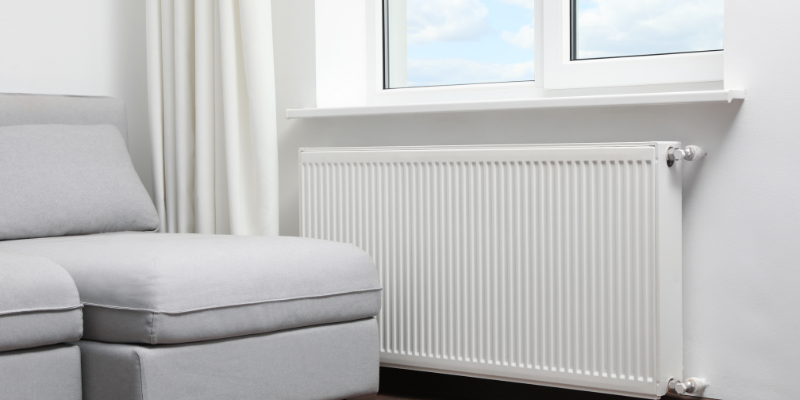
Radiators are typically wall-mounted units that heat up when hot water from the central heating system flows through them. They effectively disperse heat into the room via convection. Features to consider when selecting radiators include:
- Material (e.g., aluminium, steel, cast iron)
- Size and heat output (measured in BTUs)
- Style and design
Underfloor heating systems provide an even distribution of heat by circulating warm water through a network of pipes installed under the floor, usually embedded within the floor’s concrete or screed layer. Some advantages of underfloor heating include:
- Enhanced thermal comfort
- Reduced clutter, as no radiators are needed
- Improved energy efficiency, since lower water temperatures are required
Alternative Heating Solutions
For those looking for environmentally-friendly options or supplementary heating sources, there are a number of alternative heating solutions available:
Heat pumps transfer heat from the ground, air or water sources to your home, and can be used for both heating and cooling purposes. They are highly energy-efficient, making them an attractive option for many homeowners.
Solar panels convert sunlight into electricity, which can be used to power an electric heating system or a heat pump. Though the initial installation cost can be high, the long-term savings from using renewable energy can make it a worthwhile investment.
Solid fuel and biomass boilers utilise wood, pellets, or other sustainable materials to generate heat. These boilers are carbon-neutral and can significantly reduce your reliance on fossil fuels.
Portable electric heaters can be an affordable and flexible solution for providing supplemental heat in specific areas of the home. However, they are generally less energy-efficient and should not be used as a primary heating source.
Smart Temperature Control
Programmable Thermostats
Investing in a programmable thermostat is an excellent way to maintain your home’s temperature efficiently. With these thermostats, you can set the temperature to adjust automatically depending on the time of day, ensuring that your home remains warm when needed most.
Some key programmable thermostat features to consider include:
- Daily schedules: Set a specific temperature for different times during the day.
- Weekday/weekend schedules: Set separate schedules to accommodate working days and weekends.
- Vacation mode: Maintain a constant, energy-saving temperature while you’re away.
Programmable thermostats can help you save energy without sacrificing comfort, making them an essential addition to your home’s heating arsenal.
Smart Home Integration
Integrating your home heating system with smart home technology can add an extra layer of control and automation. There are numerous solutions on the market today, with popular options such as Google Nest, Amazon Echo, and Apple HomeKit.
| Smart Home Solution | Features |
|---|---|
| Google Nest | Learning thermostat, intuitive scheduling, energy-saving mode |
| Amazon Echo | Voice control, remote access, compatibility with various smart home devices |
| Apple HomeKit | Seamless integration with Apple devices, customisable controls, remote access |
Connecting your programmable thermostat to a smart home system allows you to control your heating remotely through a mobile app or with voice commands. This greater control provides a more efficient and convenient way to manage your home’s temperature during the winter months. Additionally, smart home systems can offer energy usage insights, helping you make informed decisions on how to optimise your home heating and save on energy bills.
Implementing smart temperature control methods, such as programmable thermostats and smart home integration, can greatly improve your home’s energy efficiency during the colder months. Embrace the latest technologies and take control of your home heating to achieve both comfort and savings throughout the winter season.
Window Treatments
Window Shutters
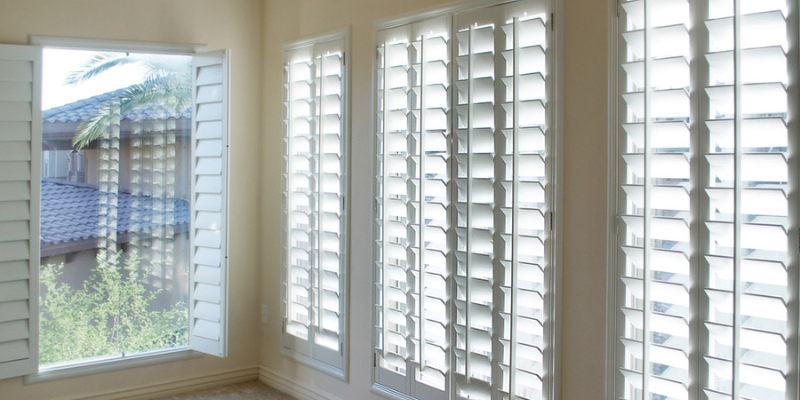
Window shutters are an excellent option for insulating your home during the winter months. They create an additional barrier against cold air, helping to maintain a comfortable temperature indoors. Both interior and exterior shutters can be utilised for this purpose.
Benefits of window shutters:
- Reduction of heat loss
- Improved energy efficiency
- Enhanced privacy and security
- Reduction of noise pollution
In the long-term, the cost of window shutters can outweigh what you would have paid in energy bills by keeping your home toasty and warm. Shutters can be surprisingly low-cost to install.
Double-Glazing
Double-glazing is a popular choice for those looking to improve their home’s thermal insulation. By trapping a layer of air or gas between two panes of glass, double-glazing drastically reduces heat transfer.
Key features of double-glazing include:
- Air gap: A space between the glass panes of 12-16mm is considered optimal for insulation.
- Gas-filled: To enhance insulation further, noble gases like argon can be used to fill the gap.
- Low-emissivity (Low-E) coating: This thin layer of metallic oxide on the glass panes reduces heat transfer while still allowing light to pass through.
Thermal Curtains and Blinds
Thermal curtains and blinds are specifically designed to retain heat within your home. Their unique construction includes a thicker fabric layer, a thermal lining, or an insulating foam core to reduce heat loss through windows.
To maximise the benefits of thermal curtains and blinds, choose those that fit snugly within your window frames and ensure they are properly installed.
Flooring Choices
Carpeting and Rugs
Carpeting and rugs are a popular solution for adding warmth to your home in winter. They provide a cosy, comfortable surface for walking and can help insulate your home by trapping heat. Choosing the right materials is essential for achieving the desired benefits. Wool and synthetic fibres, such as polyester, are known for their excellent insulation properties. Additionally, consider the carpet’s pile height and density, as these factors impact its thermal performance.
When selecting rugs, opt for those with a thick, plush texture. They can be strategically placed in areas with significant foot traffic, such as living rooms and bedrooms. In these areas, consider using a rug pad for additional insulation. A rug pad not only increases the thermal barrier between the floor and room but also adds extra cushioning and prevents slipping.
Insulated Underlay
An insulated underlay is another effective solution to achieve and maintain a warm home environment during the winter months. It is installed beneath your flooring (carpets, laminate, or wood) and acts as a thermal barrier, helping to reduce heat loss and enhance energy efficiency. There are several types of insulated underlay available, including those made from:
- Foam
- Rubber
- Cork
- Felt
Each material has its own benefits and limitations. To choose the best underlay for your home, consider factors like insulation value, cost, ease of installation, and compatibility with your chosen flooring. For example, a foam underlay is lightweight and easy to install, while a cork underlay offers excellent impact sound reduction.
Selecting appropriate flooring choices, like carpets, rugs, and insulated underlays, can significantly improve your home’s warmth during the winter season. Prioritise materials with good insulation properties and pay attention to factors such as texture, pile height, and density to achieve effective thermal performance.
Maintenance Tips
Boiler Service
Regular boiler servicing is essential to keep your home warm during the winter months. It ensures that your boiler is working efficiently and safely. You should schedule a professional boiler service at least once a year, preferably before winter starts. An annual service can help you:
- Detect potential issues early
- Extend your boiler’s lifespan
- Improve energy efficiency
- Prevent carbon monoxide leaks
During the service, the technician will inspect and clean the boiler and its components, check for any wear and tear, and ensure that all safety devices are working correctly.
Bleeding Radiators
Bleeding radiators is another crucial maintenance tip for keeping your home warm in the winter. It involves releasing any trapped air inside the radiators, which can cause cold spots and reduce their efficiency. To bleed your radiators, follow these simple steps:
- Turn off your central heating and let the radiators cool down.
- Locate the bleed valve (usually on the top side of the radiator).
- Insert a radiator key or a flat-head screwdriver into the valve.
- Slowly turn the key or screwdriver counter-clockwise.
- You’ll hear a hissing sound as the trapped air escapes. Once water starts to flow out, close the valve by turning it clockwise.
After bleeding radiators, remember to check the pressure of your boiler, as it might need topping up. If you are unsure about any of the steps, it’s always advisable to consult a professional.
By following these maintenance tips, you can ensure an efficiently heated home during the cold winter months. Remember, regular maintenance not only keeps your home warm but also saves on energy bills and prevents potential issues in the future.
Lifestyle Adjustments
Wearing Warm Clothing
One simple way to keep warm during the winter months is by wearing warm clothing. Consider dressing in layers to better insulate the body and create optimal warmth. Start with a base layer such as thermal underwear, followed by an insulating layer like a wool sweater, and finally a waterproof outer layer to protect against damp and cold weather. Some suggestions for staying warm include:
- Wool or thermal socks
- Gloves or mittens
- Hats and scarves
- Slippers or warm footwear
| Type | Material | Benefit |
|---|---|---|
| Base | Thermal | Insulation |
| Insulating | Wool | Warmth |
| Outer | Waterproof | Protection |
Using Throws and Blankets
Another effective method for staying warm in your home is by using throws and blankets. Keep them at convenient locations, such as the sofa, bed, and reading nook. Options for warm and soft materials include fleece, flannel, and wool.
- Fleece – Lightweight yet warm, perfect for covering up while relaxing on the couch
- Flannel – Soft and cozy, ideal for a comfortable night’s sleep
- Wool – Thick and insulating, excellent for wrapping up on chilly evenings
When using throws and blankets, be sure to:
- Layer up – use several blankets for added warmth
- Drape them over furniture – helps insulate the room
- Wash and dry regularly – keeps them fresh and hygienic
By making these minor lifestyle adjustments, such as wearing appropriate clothing and utilising throws and blankets, it is easier to maintain a comfortable temperature in your home during the cold winter months.
*This is a collaborative post.