
Effective Strategies to Boost Concentration and Cognitive Health for Both Adults and Children
Struggling to focus? You’re not alone. In today’s fast-paced world, maintaining concentration can be a real challenge for both adults and children alike. But don’t worry – there are plenty of effective strategies you can use to sharpen your mind and boost your cognitive health.
By incorporating simple habits into your daily routine, you can significantly improve your ability to concentrate and enhance your overall brain function. From mindfulness exercises to dietary changes, these techniques are accessible to everyone and can make a real difference in how you think and perform.
Ready to unlock your full cognitive potential? Here are some practical tips that can help you and your kids stay focused, alert, and mentally sharp. Whether you’re tackling a complex work project or helping your little ones with their homework, these strategies will set you up for success.
Understanding Cognitive Health
Cognitive health encompasses the mental processes that allow you to think, learn, and remember. It’s a crucial aspect of overall wellbeing that affects daily functioning and quality of life.
Defining Cognitive Function and Health
Cognitive function refers to your brain’s ability to process information, make decisions, and solve problems. It includes skills like attention, memory, language, and reasoning. Cognitive health is the state of these functions working optimally.
You use cognitive skills constantly, from remembering your shopping list to planning your day. When your cognitive health is good, you can easily tackle complex tasks and adapt to new situations.
Factors like genetics, lifestyle, and environment all play a role in shaping cognitive health. Regular exercise, a balanced diet, and quality sleep can help maintain sharp cognitive function.
Role of the Brain in Cognitive Health
Your brain is the control centre for cognitive function. It’s a complex organ made up of billions of neurons that communicate through electrical and chemical signals.
Different parts of your brain handle various cognitive tasks. For example, the frontal lobe manages planning and decision-making, while the hippocampus is crucial for forming new memories.
Brain plasticity allows your brain to form new connections and adapt throughout your life. This means you can always improve your cognitive skills, regardless of age.
Importance of Cognitive Fitness Throughout the Lifespan
Cognitive fitness is vital at every stage of life. In childhood, it supports learning and development. For adults, it’s essential for job performance and daily tasks. As you age, maintaining cognitive health becomes even more crucial. It can help you stay independent and enjoy a high quality of life in your later years.
You can boost cognitive fitness through mental exercises, social engagement, and learning new skills. Activities like puzzles, reading, and playing musical instruments all contribute to brain health.
It’s never too early or too late to start caring for your cognitive health. Small, consistent efforts can lead to significant improvements over time.
Factors Influencing Concentration and Cognition
Concentration and cognitive abilities are shaped by a complex interplay of factors. Your genetic makeup, lifestyle choices, and environment all play crucial roles in determining how well your brain functions.
Genetic and Environmental Factors
Your genes lay the foundation for your cognitive potential. Some people are naturally inclined towards better focus and memory due to their genetic makeup. However, your environment can significantly influence how these genes express themselves.
Growing up in a stimulating environment can enhance your cognitive abilities. Exposure to diverse experiences, educational opportunities, and social interactions can help build stronger neural connections.
Environmental toxins can negatively impact brain health. Pollutants, heavy metals, and certain chemicals may interfere with normal brain development and function. Reducing exposure to these harmful substances can protect your cognitive well-being.
Impact of Diet and Nutrition
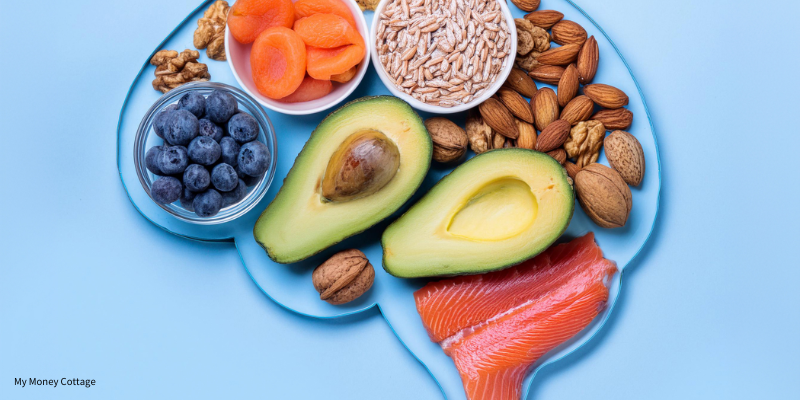
What you eat directly affects your brain’s performance. A balanced diet rich in vitamins, minerals, and antioxidants supports optimal cognitive function.
Brain-boosting nutrients:
- Omega-3 fatty acids (found in fish, nuts, and seeds)
- B vitamins (whole grains, leafy greens)
- Antioxidants (berries, dark chocolate)
Certain dietary supplements may enhance cognitive function. It’s said that 20% of children and teenagers struggle with concentration, focus and memory. Taking a natural supplement such as FOCO can really help to boost focus and attention naturally. This particular supplement is suitable for children, teenagers and adults so it’s a great one to use for the whole family.
Staying hydrated is also crucial for maintaining focus. Even mild dehydration can impair concentration and memory.
Role of Sleep and Hydration
Quality sleep is essential for cognitive health. During sleep, your brain consolidates memories and clears out toxins that accumulate during the day. You should aim for 7-9 hours of sleep per night for optimal brain function. Establish a consistent sleep schedule and create a relaxing bedtime routine to improve sleep quality. Try to go to bed at the same time every night and stick to the same routine so that your body begins to recognise when it’s time to shut down and rest.
Proper hydration is vital for maintaining concentration. Your brain is about 75% water, and even mild dehydration can impact cognitive performance.
Drink water regularly throughout the day. The amount you need varies based on factors like activity level and climate, but a good rule of thumb is to drink when you’re thirsty and maintain pale yellow urine colour.
Lifestyle and Cognitive Function
Your daily habits and choices significantly impact your brain health and cognitive abilities. Small changes in your routine can lead to substantial improvements in focus, memory, and overall mental sharpness.
Exercise and Physical Activity’s Role
Regular physical activity boosts your brain function in numerous ways. It increases blood flow to your brain, promoting the growth of new neural connections. Aim for at least 150 minutes of moderate exercise or 75 minutes of vigorous exercise weekly. Aerobic activities like brisk walking, cycling, or swimming are particularly beneficial.
Strength training is also great for cognitive health. It improves your overall body composition and helps maintain cognitive function as you age. Try to incorporate resistance exercises into your routine 2-3 times a week.
Mental Health and Stress Management
Your mental well-being directly affects your cognitive abilities. Chronic stress can impair memory and decision-making skills. Implement stress-reduction techniques into your daily life to protect your brain health.
Mindfulness meditation is a powerful tool. Just 10-15 minutes a day can reduce anxiety and improve focus. Find a quiet spot, sit comfortably, and concentrate on your breathing.
Getting enough quality sleep is crucial for stress management and cognitive function. As mentioned earlier, aim for 7-9 hours of sleep per night and establish a consistent bedtime routine making sure to create a sleep-friendly environment.
Cognitive Benefits of Social Interaction
Socialising isn’t just fun—it’s essential for your brain health. Regular social interaction can improve memory, slow cognitive decline, and even reduce the risk of dementia. Join a club or volunteer in your community to expand your social circle. These activities provide mental stimulation and social connection, benefiting your cognitive function.
Digital connections count too. Video calls with friends and family can boost your mood and keep your mind sharp. Schedule regular virtual catch-ups if in-person meetings aren’t possible.
Boosting Brain Health Through Activities
Engaging in mentally stimulating activities can significantly enhance cognitive function and brain health. Regular mental exercises help keep your mind sharp and may even protect against age-related decline.
Cognitive Stimulation with Puzzles and Games
Puzzles and games are excellent tools for giving your brain a workout. Sudoku, crosswords, and jigsaw puzzles challenge different cognitive skills, improving problem-solving abilities and memory. Strategy games like chess or Scrabble boost critical thinking and planning skills.

Try mixing up your puzzle routine to target various cognitive areas. Digital brain-training apps offer a wide range of games designed to enhance specific mental functions. The key is consistency – aim for at least 15 minutes of brain games daily if you can. If you have kids then playing games together is great for your cognitive health and your mental wellbeing.
For children, educational games can make learning fun whilst developing crucial cognitive skills. Introduce board games that involve counting, pattern recognition, or strategic thinking to support their mental growth.
Learning a Language or Playing an Instrument
Picking up a new language or musical instrument has lots of cognitive benefits. These activities create new neural pathways, enhancing memory and multitasking abilities.
Language learning improves attention to detail and boosts problem-solving skills. Start with short daily lessons using apps or online courses.
Learning an instrument develops fine motor skills and enhances coordination. It also improves memory and concentration. Begin with simple tunes and gradually increase complexity. Regular practice, even for just 15 minutes a day, can have significant cognitive benefits.
Both activities are fantastic for children, supporting their developing brains and fostering creativity.
Physical Exercises for the Brain
Physical activity is crucial for maintaining brain health. Regular aerobic exercise increases blood flow to the brain, promoting the growth of new brain cells and improving overall cognitive function.
Activities like brisk walking, swimming, or cycling for 30 minutes a day can have a profound impact on your brain health. Dancing is particularly beneficial, combining physical movement with mental challenges like learning new steps.
For children, active play and sports not only support physical development but also enhance focus and attention. Encourage outdoor activities that involve coordination and strategic thinking, like team sports or obstacle courses.
Balance exercises, such as yoga or tai chi, improve spatial awareness and concentration. These practices also reduce stress, which is essential for maintaining optimal brain function.
Cognitive Health Across Different Ages
Cognitive health evolves throughout life, with unique needs and challenges at each stage. Your brain’s capabilities and requirements shift as you progress from childhood to adulthood and into your later years.
Children and Cognitive Development
Your child’s brain is like a sponge, rapidly absorbing information and forming neural connections. Proper nutrition, especially omega-3 fatty acids, plays a crucial role in their cognitive growth. Encourage your little one to engage in activities that boost executive function, such as puzzles and memory games.
Physical activity is equally important. Get your kids moving with regular playtime and sports to enhance their brain health. Limit screen time and prioritise face-to-face interactions to support language development and social skills.
Adequate sleep is vital for your child’s cognitive function. Establish a consistent bedtime routine to ensure they get enough rest for optimal brain development and learning.
Adults and Maintaining Cognitive Function
As an adult, your brain benefits from continuous learning and mental stimulation. Take up a new hobby or learn a language to keep your mind sharp. Regular exercise boosts blood flow to your brain, enhancing cognitive function.
Stress management is crucial for your brain health. Try meditation or yoga to reduce stress levels and improve your focus. A balanced diet rich in antioxidants and healthy fats supports your cognitive well-being.
Don’t neglect social connections. Engaging in meaningful conversations and maintaining relationships can help preserve your cognitive abilities. Prioritise quality sleep to allow your brain to consolidate memories and clear toxins.
Cognitive Health in Older Age
As you age, your brain’s plasticity decreases, but you can still maintain cognitive function. Stay mentally active with crossword puzzles, reading, or learning new skills. Physical exercise remains crucial – even gentle activities like walking can benefit your brain.
Keep an eye on your cardiovascular health, as it’s closely linked to cognitive function. Manage conditions like high blood pressure and diabetes to reduce your risk of cognitive decline.
Social engagement becomes even more important in older age. Join clubs or volunteer to stay connected and mentally stimulated. A healthy diet and proper hydration continue to play vital roles in supporting your brain health.

Boosting your concentration and cognitive health is within reach. By implementing the strategies discussed, you can sharpen your mental acuity and enhance your overall brain function. Small changes can make a big difference. Start with one or two techniques and gradually incorporate more into your daily routine. Stay consistent and patient. Improvements in cognitive health and focus don’t happen overnight, but with time and practice, you’ll notice positive changes.
Don’t forget to involve your children in these brain-boosting activities. Making it a family affair can be fun and beneficial for everyone. Keep challenging yourself and your children mentally. Try new activities, learn new skills, and push your cognitive boundaries regularly.
Lastly, maintain a healthy lifestyle. Good nutrition, regular exercise, and quality sleep are fundamental to supporting your brain health and concentration. By prioritising your cognitive wellness, you’re investing in a sharper, more focused future for yourself and your loved ones.
*This is a collaborative post.