
Want a Zero Waste Lifestyle? Here’s How to Start
Are you looking to reduce your waste and live a more sustainable lifestyle? If so, you’re not alone. More and more people are making the switch to zero-waste living every day. But where do you start? How do you make the transition? Don’t worry, as there is a way out. This post will outline some simple tips for starting a zero-waste lifestyle. So read on and get started today.
Make a Plan to Reduce Your Trash
This may seem like an intimidating first step, but planning is essential for success. Take inventory of what comes into your home in terms of packaging, take-out containers, etc., and create a list of ways to eliminate or reduce them. It could mean bringing your shopping bags, buying bulk, or replacing single-use items with reusable ones.
The best way to start is to set a goal for yourself. You may want to reduce your trash by 50% in the next three months or eliminate single-use plastics from your kitchen. Whatever it is, having a clear and specific goal will help you stay motivated and on track.
Be Mindful of Supplies You Buy
An essential part of a zero-waste lifestyle is being mindful of what you consume. This means taking stock of how much food, water, and other resources you use daily. Be sure only to buy what you need, and where possible, buy locally to reduce your carbon footprint.
Also, avoid fast fashion and other highly environmental items, like single-use plastic containers or disposable cutlery. If you need to buy something, look for products made from recycled materials or those that can be recycled once they’re no longer helpful.
When buying soaps, check the ingredients and make sure they’re natural and biodegradable. You can also make your cleaning supplies from ingredients like baking soda or vinegar, which are much more eco-friendly than the alternatives. The best non toxic hand soap will be better for the environment and gentler on your skin. Therefore, research more about top products in the market to find the best one. Consider also buying natural and non-toxic laundry detergent, dish soap, hand soap, etc., to take a more sustainable approach to cleaning.
Reuse What You Have
When reducing waste, the rule is to use what you already have before buying more stuff. There are plenty of creative ways to reuse items instead of throwing them out. For example, you can repurpose old clothing into new items like a quilt or use empty glass jars for storage.
Consider investing in products that are made from durable, natural materials and have the potential to be reused more than once. This includes stainless steel water bottles, bamboo toothbrushes, and canvas shopping bags.
Share Your Zero-Waste Lifestyle
Once you’ve switched to zero-waste living, don’t forget to inspire your friends and family. They may be inspired by your changes or have additional tips for reducing their waste. You can also join online communities dedicated to sustainability or volunteer with local organizations focused on protecting the environment.
You’ll impact your community by spreading awareness and inspiring others to take action. This not only helps make the world a better place, but it’s also gratifying to know that you’re making a difference.
Donate or Give Away What You Don’t Need
There are things such as clothes, furniture, and toys that we no longer need or use but can still be helpful to someone else. Instead of throwing these items away, consider donating them to charity or giving them away for free. This not only reduces waste but it’s also a great way to help those in need.
You can also look for second-hand items when shopping instead of buying new ones. This will save you money, reduce waste, and help the environment in a straightforward step. Avoid buying things you won’t need or use, and choose quality items that will last a long time.
Recycle and Compost Where Possible
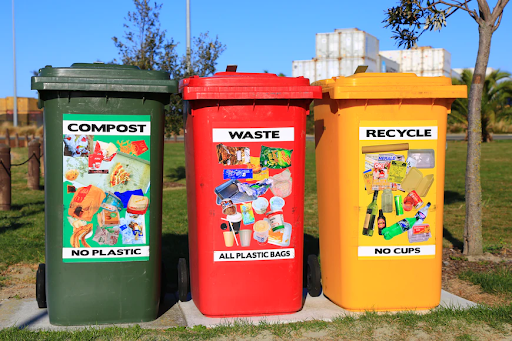
Many cities have curbside recycling pick-up, so ensure you utilize that service. Composting is easy to turn food scraps and yard waste into nutrient-rich soil if you have a garden.
Try to reduce the amount of paper and other materials you use. This means printing double-sided documents whenever possible and avoiding disposable items like paper towels or coffee cups. If you do need to use paper, try to find products that are made from recycled materials.
Generally, you can take many small and big steps for a zero-waste lifestyle. It takes time and commitment, but the rewards of living an eco-friendly life are worth it. With just a few simple changes, you’ll be well on your way to helping make the world a greener place.