

What Does In Debit Mean On Your Energy Bill?
Receiving a bill from your energy supplier can be pretty confusing. Whilst it’s great if you can get your head around what each part of your bill means, you should definitely be able to answer two questions about your bill. What does “in debit” mean? And what does “in credit” mean?
What Does In Debit Mean on Your Energy Bill?
If your energy bill shows that you are in debit, then this means that you have used more energy than you’ve paid for. Your monthly payments haven’t been enough to cover the amount of energy you’ve used.
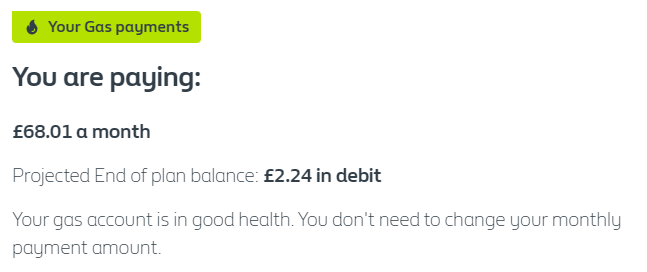
If your account is in debit, that’s not always something to worry about. We inevitably use more energy during the colder, winter months and less in the summer months. If you pay by direct debit, your energy supplier will balance out your payments so that you pay the same amount each month throughout the whole year. So, it’s fairly normal to be in debit during the winter and then catch up during the summer when you’re still paying the same amount but using less energy.
If the amount that you’re in debit starts to increase quite rapidly, then you might want to consider increasing your monthly payments. If you’re not sure, then contact your energy provider. They will be able to look at your average usage and tell you whether you’re paying enough to cover your bills throughout the year. You can also usually log in to your supplier account online to see whether your payments will balance out over the year or leave you with a negative or positive balance.
Can I change suppliers if I’m in debit?
What does in debit mean if you want to switch energy suppliers? Can you still switch?
The simple answer here is that if you can switch suppliers if your account is in debit, but you will probably need to clear your debit balance first. There are various different rules here depending on the payment methods used. For example, the rules are slightly different if you have a prepayment meter than they are if you pay by direct debit. Check with your supplier before you attempt to switch.
My energy account is in debit and I’m struggling to pay my bill
If you’re struggling to pay your energy bill and your account is already in debit, then don’t panic, there are a few things you can do.
Firstly, speak to your energy supplier and tell them that you’re struggling to make your monthly payment. Many people are scared to do this but they will want to work with you in order to help you to get your account back on track. They may be able to switch you to a cheaper energy tariff which will bring the price you pay per unit of energy down. Or, they may agree to set up a payment plan with you so that you can clear the outstanding balance.
Secondly, make sure you are claiming any support that you’re entitled to. Citizens Advice has lots of really useful information on their website about grants and benefits to help you pay your energy bills. You can also use a Benefits Calculator to make sure that you are receiving all the financial help you’re entitled to.
If you are struggling to make payments, then you need to start prioritising your outgoings and making sure your rent payments or mortgage payments are covered as well as things like council tax and your energy bills. You can have a read of this post for more details on what to do if you’re struggling to pay your bills.
Does being in debit affect your credit report?
Having a negative balance won’t show up on your credit report. The only time that your credit rating may be affected is if you have any missed or late payments.
What Does In Credit Mean on Your Energy Bill?
If your energy bill shows that you are in credit, then this means that you’ve paid for more energy than you’ve used. It’s normal to be in credit during the summer months as this credit balance will then help to pay for the energy you use over the Winter.

If your energy account is showing a credit balance, then you might be tempted to request a refund. But just be careful about doing this as it can be a good idea to have that credit as a buffer for times when you use more energy.
What if I want to change suppliers and I’m in credit?
If you want to switch suppliers and your account is in credit then that credit balance will be refunded to you once you’ve submitted your final meter reading and closed your account.
Tips for staying on top of your energy bills whether you’re in debit or in credit
So we’ve answered the two main questions people ask about their energy bills, what does in debit mean and what does in credit mean. If you’re in debit, then there are a few things you can do going forwards to get a better handle on your energy bills:
- Send meter readings at least once a month so you’re getting an accurate bill. If you have smart meters, then you can usually set them up to take readings much more regularly. Ours is set to send meter readings every 30 minutes.
- Try to cut down your energy use where you can. For example, limit tumble dryer use and turn appliances off at the wall when you’re not using them.
- Warm the person, not the room. Try using hot water bottles, blankets and fleece-lined hoodies to keep yourself warm.
BG Services transaction on your bank account – is it related to your energy bill?
If you’ve noticed a payment to BG Services on your bank account, then this is a payment to British Gas for their HomeCare service. It is not a payment for energy usage.
Energy Bill Debit and Credit FAQs
Here are some of the most commonly asked questions about paying for energy.
What does in debit mean?
Being in debit on your energy bill means that you’ve used more energy than you’ve paid for.
What does in credit mean?
Being in credit on your energy bill means that you’ve paid for more energy than you’ve used.
How do I know if my energy account is in debit or in credit?
You should be able to see whether your energy account is in debit or credit easily either on your statement, your bill, or by logging in to your online energy account. The balance may show a ‘CR’ for a credit balance or ‘DR’ for a debit balance, or it may state either that your account is in debit or credit along with the current balance.
Is it bad to be in debit with my energy supplier?
Whilst it’s definitely better to be in credit with your energy supplier, it’s normal to be in debit during the winter. If you pay by monthly direct debit then you’ll pay the same amount every month throughout the year. So, you’ll pay for more energy than you use during the summer in order to balance out your account when you use more energy during the winter.
Can I claim credit back from my energy supplier?
If your account is in credit, then you can ask for an energy bill refund. However, I prefer to have a credit balance so that I know I don’t need to worry about my payments increasing when I use more energy in the winter.
Should I cancel my direct debit and just pay for the energy I use
I’ve seen this mentioned a lot recently. Some people have been cancelling their monthly direct debits and instead, they’ve been submitting meter readings and just paying for the energy they use. Whilst this might sound like a great idea in theory, there are a couple of things you need to consider.
Many energy suppliers will offer you a discount if you pay by direct debit. So, if you cancel your direct debit, you will actually pay more in the long run.
Secondly, it can be beneficial to pay a set amount by direct debit each month. This can help you to budget better as you know exactly how much you need to have put to one side for your energy bill each month in the same way you do for your mortgage payment. If you’re on a budget, then not knowing what your bill is going to be each month can make budgeting really tricky.
Finally, if you stick to paying by direct debit, then you’ll pay the same amount each month throughout the year so you won’t have any huge bills to find the money for in the winter.
Is electricity cheaper at night?
The simple answer is that electricity isn’t usually cheaper at night, but have a read of this post for more details.
Energy costs and how you’re going to pay for the energy you use can be a huge worry, particularly when energy statements can sometimes be difficult to understand. But, if you’ve been wondering what does in debit mean or what does in credit mean, then hopefully this article has at least made that a little easier to understand.