
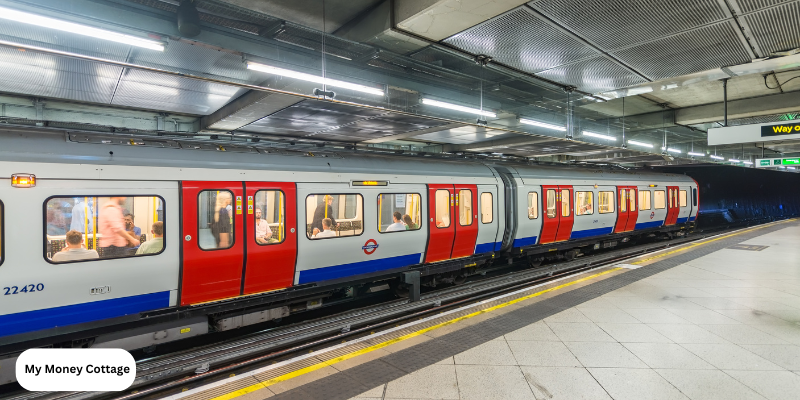
Why Are Trains So Expensive?
Ever wondered why train fares seem to burn a hole in your wallet? The cost of maintaining and upgrading train infrastructure is one major factor. Tracks, stations, and signals all require constant attention and investment, which isn’t cheap.
Operational costs also play a big role. Trains need fuel or electricity, which can be pricey, and then there’s the expense of staffing—from drivers to maintenance workers. These costs add up, and ultimately, passengers bear the brunt through higher fares.
Competition, or the lack thereof, can affect prices too. In many regions, train services are either monopolies or have limited competition, providing little incentive to keep fares low. This lack of competitive pressure often results in higher ticket prices for you, the traveller.
Historical Context of Train Pricing
Trains in the UK have a long and complex history that significantly influences their pricing. Major factors include the evolution of British Rail and the transition to privatisation, as well as government regulations and involvement.
Evolution of British Rail and Privatisation
British Rail, formed in 1948, nationalised the railway network after World War II. The goal was to mend the war damage and unify services. Initially, the government heavily subsidised British Rail to keep fares low and maintain extensive services across the country.
By the 1980s, however, British Rail faced criticism for inefficiency and underfunding. This led to the Railways Act of 1993, which began the process of privatisation. The network got split into over 100 companies responsible for different aspects such as track maintenance and passenger services.
Privatisation aimed to introduce competition, improve service quality, and reduce government expenditure. Yet, it also brought challenges. In some cases, fragmented management led to higher operating costs, which were passed on to passengers in the form of higher fares. This shift significantly impacted how rail fares evolved over time.
Government Regulations and Involvement
The UK government has continuously played a crucial role in the railways, impacting fare structures. Throughout the history of British Rail and its privatisation, regulatory frameworks and subsidies have often dictated pricing strategies. For instance, the government regulates peak-time fares to keep train travel accessible for commuters.
Additionally, various subsidies address infrastructure investment and operational costs. These include the Public Service Obligation Grant to support socially necessary services. Such interventions are designed to achieve a balance between affordability for passengers and financial viability for operators.
The complexity of these factors often contributes to the perception and reality of expensive train fares. You might notice that even with government involvement aimed at regulation, prices can remain high due to infrastructure costs and the prioritisation of safety and efficiency.
Economic Factors Affecting Train Costs
Train costs are heavily influenced by a range of economic factors including infrastructure expenses, inflation rates, and the level of competition in the market.
Cost of Infrastructure and Maintenance
Building and maintaining rail infrastructure is expensive. The initial investment in tracks, stations, and signalling systems requires substantial funding. Running repairs and regular maintenance also add to the expenses. These costs are often passed on to passengers through higher ticket prices.
In countries like the UK, much of the infrastructure is publicly funded, but private companies may handle maintenance. This dual funding model can complicate budgeting and lead to inefficiencies. High-quality materials and advanced technologies further increase costs.
Inflation and its Impact on Rail Fares
Inflation affects the price of everything, including train fares. As the general cost of goods and services goes up, so does the expense of running a railway service. Energy prices, wages for railway staff, and the cost of materials all rise with inflation.
Rail operators adjust ticket prices to counteract these rising costs. You may have noticed fare increases becoming a regular occurrence. This can be particularly noticeable during periods of high inflation, leading to public dissatisfaction.
The Role of Competition and Monopolies
Competition can drive prices down, but monopolies often lead to higher fares. In some regions, a single company may dominate the rail market, limiting consumer choice and leading to higher prices.
The European Commission has pushed for more competition in the rail sector to lower fares and improve service quality. In markets with multiple operators, you’re more likely to find competitive pricing, better services, and innovative solutions.
Operational Aspects
Train ticket prices can often feel steep to passengers. Key drivers for this include the considerable expenses of operation, profit goals of train companies, and variable pricing strategies.
Train Operating Companies and Expenses
Train operators incur significant costs in daily operations. These include staff salaries, fuel, maintenance, and station facilities. Additionally, regulatory fees and taxes add to the financial burden. Major train companies like Network Rail and Great Western Railway must balance these costs while providing reliable and safe services.
Not to mention, investment in infrastructure, such as new trains and signalling systems, further escalates expenses. The high operational cost is a fundamental factor in ticket pricing.
Revenue and Profit Expectations
Train companies aim to generate revenue that covers operational expenses and also provides profit for reinvestment and shareholder returns. Unlike public services, these companies often operate on commercial models.
They need to ensure that ticket sales, advertising, and other revenue streams meet financial targets. By focusing on revenue generation, they can continue to improve services and infrastructure, affecting ticket prices.
Pricing Strategies for Peak and Off-Peak Hours
Train ticket pricing is dynamic and varies between peak and off-peak hours. During peak hours, demand is high, leading to premium pricing. This helps in managing the crowded trains and maximising revenue.
In contrast, during off-peak hours, lower demand allows for reduced prices to attract more passengers. Understanding these pricing strategies can help in planning travel to get the best rates. Operators use these strategies to balance demand and enhance profitability.
Ticket Types and Fare Structures
Understanding the different types of train tickets and fare structures can help you save money and make your journey smoother. Let’s explore the key types of tickets and the available discounts.
Understanding Single, Return, and Season Tickets
Several types of train tickets are available for different needs. A single ticket allows you to travel one way between two points. If you need a round trip, a return ticket is what you require. This ticket usually costs less than two single tickets.
On the other hand, if you frequently travel the same route, a season ticket might be your best option. It allows unlimited travel between two destinations for a set period, like a month or a year, making it cost-effective if you commute daily.
Railcards, Discounts, and Vouchercloud Offers
Railcards can significantly reduce fare prices. For a small annual fee, cards like the 16-25 Railcard or the Senior Railcard offer up to one-third off most fares. This is a great option if you fit into a specific category.
In addition to railcards, look out for discounts and Vouchercloud offers. Vouchercloud often provides promotional codes and deals which can be applied when purchasing tickets. This can further lower the overall cost of your trip.
Make sure to explore all available discounts to get the best deal on your train fares.
Societal and Consumer Factors
Train travel costs are often influenced by how people use and perceive railway services. The behaviour of commuters and the effects of the pandemic are significant aspects.
Commuters and Passenger Behaviour
Commuters make up a large portion of train passengers. They often travel at peak times, which creates high demand and can increase prices. Convenience is a major factor; many are willing to pay a premium for reliable and timely services. Their daily routines and reliance on trains mean operators can charge more during rush hours.
Passenger preferences also play a key role. Some prefer higher-class tickets for comfort and amenities while others focus on budget options. Trains need to cater to this diverse group, adding complexity and cost to pricing structures. The fare structures must balance demand and profitability, sometimes resulting in higher prices.
Impact of the Pandemic on Train Travel
The pandemic has drastically affected train travel habits and financial stability. During lockdowns, passenger numbers plummeted, leading to severe revenue drops. Even as restrictions eased, many people continued to work from home, reducing the demand for daily commuting. Train operators had to adapt quickly to these changes, often at increased costs.
Health and safety measures introduced new expenses. Enhanced cleaning routines, social distancing policies, and reduced capacity all contributed to the financial strain. Despite a slow return to normal, these added costs have kept fares high. The ongoing uncertainty means that train companies are cautious about pricing, often passing the costs onto passengers.
Comparative Analysis by Region
Train fares vary significantly across different regions, influenced by factors such as infrastructure, government subsidies, and operational costs. We’ll explore how the UK compares with European countries and take a closer look at London’s historical network.
Cost Comparison: UK Trains vs European Countries
Train travel in the UK tends to be pricier compared to many European nations. For instance, a trip from London to Manchester (approximately 160 miles) can often cost more than a journey of similar distance in Germany or France.
The German rail system benefits from extensive government subsidies, which help keep fares lower. Meanwhile, France’s high-speed TGV trains offer competitive prices due to their efficient infrastructure and high passenger volumes.
Conversely, UK train operators face higher track access fees and operating costs, driving up prices for travellers. The fragmented nature of UK rail services also plays a role, as multiple operators compete without the economies of scale seen in countries with more centralised rail systems.
London’s Deep-Rooted Train System vs Other Cities
London boasts one of the oldest train networks in the world, and operating such an extensive and aged system comes with its challenges. Maintaining and upgrading the infrastructure is a costly and complex task, often reflected in ticket prices.
Other major cities, like Paris or Berlin, have newer or more streamlined networks. For example, the Paris Metro was designed with modern efficiency in mind, leading to lower maintenance costs and more affordable fares.
Additionally, London’s congestion and population density add further strain, requiring continuous investment to meet growing demand. This contrasts with cities that have fewer passengers and less operational complexity, potentially allowing for lower fares.
Institutional and Policy Perspectives
Trains are often costly due to complex institutional frameworks and policies. Factors like strategic rail planning, union negotiations, and worker rights significantly impact fare prices.
Plan for Rail and Future Strategies
The Plan for Rail aims to streamline operations and improve services. Implementing future strategies involves negotiating contracts and securing funding. Efficient rail networks require substantial investments in infrastructure and technology.
Public and private sectors collaborate on long-term rail strategies. Investments focus on modernising trains, enhancing safety, and reducing delays. Advanced technology helps improve service efficiency.
Balancing budget constraints with operational demands is a challenge. Regulatory bodies set fare structures, impacting affordability. Strategic planning addresses these challenges, aiming for better services.
Trade Unions and Worker Rights
Trade Unions like RMT protect worker rights, impacting operational costs. Negotiations with these unions shape wage structures and working conditions. Ensuring fair wages and benefits inevitably affects ticket prices.
Frances O’Grady of TUC advocates for fair worker treatment, pushing for improved labour conditions. Benefits negotiations often result in heightened operational costs, contributing to higher fares.
Worker strikes for better pay and conditions also impact costs. Agreements reached eventually translate to fare adjustments. Balancing fair wages with affordable fares is a continuous challenge.
Union influence ensures workforce stability. However, operational costs rise, impacting passengers. Effective dialogue between unions and rail companies aims to find a middle ground.
Challenges and Opportunities
Train travel faces several challenges from costs and environmental considerations, but innovation and alternatives present both hurdles and opportunities.
Costs of Innovations: HS2 and Digital Apps
Developing high-speed rail systems like HS2 demands substantial investment. HS2 aims to connect major cities, reducing travel times. However, the project has seen ballooning costs, with figures in billions, making affordability a significant issue.
Moreover, digital apps for ticketing and travel information are crucial for modernising rail services. Developing and constantly updating these apps incurs ongoing expenses. Yet, they offer the potential to enhance passenger experience dramatically.
The risk of budget overruns and delays poses significant challenges. Managing these effectively can turn innovations into valuable assets for the rail industry.
Environmental Considerations and Alternatives to Rail
Environmental sustainability is a pressing concern. Trains generally offer a greener alternative compared to flights, which generate higher emissions. However, the construction of new rail lines, such as HS2, affects natural habitats and local property.
Compared to buses, trains are often faster and more reliable, but buses offer flexibility and lower costs. Exploring electric buses or other low-emission vehicles could provide a balanced alternative.
Additionally, integrating rail networks with sustainable options like cycling infrastructure can reduce environmental impact. Balancing these factors is essential for a future-proof and eco-friendly transportation system.
Practical Advice for Train Users
Understanding how to navigate ticket prices and booking platforms can save you a lot of money. It’s also essential to know your rights as a rail passenger, especially when encountering regional anomalies.
Navigating Ticket Prices and Booking Platforms
Firstly, book your tickets in advance as it often leads to significant savings. Mark Smith from the train travel guide Man in Seat 61 recommends checking different booking platforms such as Trainline or the official UK Train Companies’ websites. Also, consider using Great British Railways for planning your journey efficiently.
Take advantage of railcards like the 16-25 Railcard or the Two Together Railcard. They offer substantial discounts on your travel within the Rail Industry. Regular travellers might benefit from a season ticket, which can be purchased through Network Rail or directly at stations like London Paddington.
Don’t forget to watch out for off-peak travel options, which typically offer reduced fares. Compare your train fare with the bus fare as sometimes, buses could be a cheaper alternative.
Regional Anomalies and Rail Passengers’ Rights
Regional anomalies can sometimes cause confusion and frustration. According to BBC Reality Check and Independent Journalism, some areas may have unusually high prices due to less competition or underdeveloped infrastructure.
You should be aware of the Office of Rail and Road regulations, which protect your rights as a passenger. In cases of delays or cancellations, you’re often entitled to compensation. HS2 Ltd and other operators have specific rules you need to be familiar with.
If your journey involves more than one service provider, knowing how to coordinate between different UK Train Companies can prevent issues. Familiarise yourself with the specifics of Great British Railways and regional ticketing requirements. This ensures a smoother travel experience, mitigating the unexpected costs that might arise.
Frequently Asked Questions
Trains can be pricey due to a range of factors from infrastructure costs to operational expenses. Flying sometimes ends up cheaper due to different economic models and subsidies.
Why are trains so expensive?
Train travel often involves hefty costs for infrastructure maintenance and development. Building and maintaining tracks, stations, and signalling systems require significant investment. Trains also have high operational costs such as fuel and staff wages.
How come flying is often cheaper than taking a train?
Airlines benefit from economies of scale and often receive government subsidies. Competition among airlines can drive ticket prices down. Airports typically have lower maintenance costs compared to railway infrastructure, leading to cheaper fares.
Is there some secret reason train travel in the UK and Europe costs a fortune?
The privatisation of railways in some countries has led to increased ticket prices. There’s also the high cost of modernising ageing railway systems and the complex pricing structures designed to maximise revenue. These factors contribute to the perception of high train travel costs.