

Why Is LEGO So Expensive?
Lego has long captivated the imaginations of both children and adults, but the price tag can often come as a shock. The high cost of Lego bricks is primarily due to their exceptional quality and precise manufacturing standards. From the durable plastic used to the intricate moulding processes, each Lego piece is crafted to perfection, ensuring they last for generations.
Moreover, you’re not just buying a toy, but a piece of a renowned brand that’s stood the test of time. This brand credibility adds value, making Lego prices feel justified despite being seemingly high. The consistency and reliability of Lego products have built a reputation that commands a premium, ensuring a loyal customer base willing to invest.
Additionally, the Lego experience goes beyond the bricks themselves. The investment in research and development results in innovative sets and themes that continually evolve, keeping the play experience fresh and engaging. Whether it’s recreating scenes from your favourite movies or exploring new worlds, the diverse range of sets adds to the appeal, making the cost a bit easier to swallow.
The History of Lego
Starting as a small workshop, Lego has transformed into a global toy giant. Discover how it began and its journey to becoming a household name.
Inception and Growth
Lego’s story begins in 1932 in Billund, Denmark. Ole Kirk Christiansen, a carpenter, started making wooden toys. In 1934, he named the company Lego, from the Danish phrase “leg godt”, which means “play well”.
In the late 1940s, Lego began producing its iconic plastic bricks, adopting new manufacturing techniques. The interlocking brick design was patented in 1958. The plastic brick’s innovation ensures they stay together while allowing kids to build and rebuild, fostering creativity and imagination.
Rise in Popularity
Lego bricks quickly become popular due to their simplicity and endless building possibilities. The company expands internationally in the 1960s, setting up manufacturing plants and packaging facilities outside Denmark. Lego has become synonymous with quality and creativity.
Lego sets diversify, introducing themed sets like Space, Castle, and City. The emergence of Lego Technic in 1977 introduced more complex builds, appealing to older children and adults. Lego’s cultural impact grew, leading to collaborations with popular franchises such as Star Wars and Harry Potter in the late 1990s and 2000s.
Why is Lego so Expensive?
Lego’s pricing is influenced by various factors including the high costs of raw materials, advanced manufacturing processes, extensive research and development, and a commitment to quality and brand reputation.
Material and Manufacturing Costs
Lego bricks are made from ABS (acrylonitrile butadiene styrene), a high-quality plastic known for its strength and durability.
The production process involves precise engineering to ensure each piece fits perfectly with others, requiring expensive and advanced machinery.
Lego invests heavily in sustainable materials and reducing carbon emissions, although these eco-friendly initiatives can add to overall costs.
Research and Development
Lego prioritises innovation through extensive research and development. New sets often involve intricate design and engineering precision to introduce unique builds and play experiences. This process can be costly, as it involves skilled designers, engineers, and continual prototyping.
Quality Control and Durability
Lego is known for its strict quality control to ensure each brick is durable and fits perfectly. The meticulous moulding (mold design in American English) process guarantees reliability and long-term wear resistance. This commitment to quality results in additional costs, but it also ensures customer satisfaction and confidence in the product.
Marketing and Brand Reputation
Lego invests significantly in marketing to maintain its brand reputation. From partnerships with popular franchises to engaging advertising campaigns, these efforts drive high sales but also contribute to the higher price tag. Their strong brand reputation builds consumer confidence, making customers more willing to pay a premium for Lego products.
The Impact of Licensing and Collaborations
The high price of LEGO sets can often be traced back to their partnerships with major franchises and the associated licensing fees. These collaborations bring exciting, exclusive sets to the market, but they come with significant costs.
Partnerships with Major Franchises
LEGO collaborates with some of the biggest names in entertainment, including Star Wars, Marvel, Harry Potter, and Disney. These partnerships allow LEGO to create detailed and themed sets that appeal to fans of all ages.

Creating these franchise-specific sets is a meticulous process. Designers work closely with the franchise’s creators to ensure accuracy and detail. This level of collaboration ensures authenticity but also increases production costs. The result is a higher price for consumers, but the value lies in the unique and collectable nature of these sets.
Licensing Fees and Exclusivity
Obtaining licences to use popular franchises involves hefty fees. These licensing agreements often come with conditions, such as exclusivity clauses, which further drive up costs. LEGO, in turn, has to pass some of these costs onto the consumer to maintain profitability.
Additionally, the demand for exclusive sets is usually very high. Limited availability can lead to increased prices due to scarcity. Collectors and fans are often willing to pay a premium for sets that they can’t find anywhere else. LEGO’s ability to create exclusive products that captivate a dedicated audience is a significant factor in the pricing of their licensed sets.
Product Diversity and Specialisation
LEGO offers a vast array of products, catering to different interests and age groups. With an extensive variety of sets and specially designed pieces, you can build anything from a cityscape to a robotic arm.
Variety of Sets
LEGO produces a wide range of sets that appeal to diverse tastes and preferences. Their collection includes LEGO Technic for advanced builders who enjoy mechanical models and intricate details, and LEGO City, which features everyday scenes and structures like police stations and airports.
There’s also LEGO Mindstorms for those interested in robotics and coding. These sets not only provide entertainment but also educational value, encouraging STEM learning in a fun, interactive way.
Specialised Pieces and Minifigures
One reason LEGO sets stand out is the use of specialised pieces and minifigures. These unique components enable you to create specific, detailed builds that regular bricks couldn’t achieve alone.
Special pieces include gears, wheels, and custom shapes designed for particular sets, such as the complex mechanisms in LEGO Technic. Minifigures are another crowd favourite. They come in countless styles and characters, often with exclusive or limited-edition designs related to specific themes.
Themed Collections
Themed collections offer you a way to dive into your favourite universes and stories. As mentioned previously, LEGO partners with popular franchises like Star Wars, Harry Potter, and Marvel, delivering themed sets that resonate with fans of all ages.
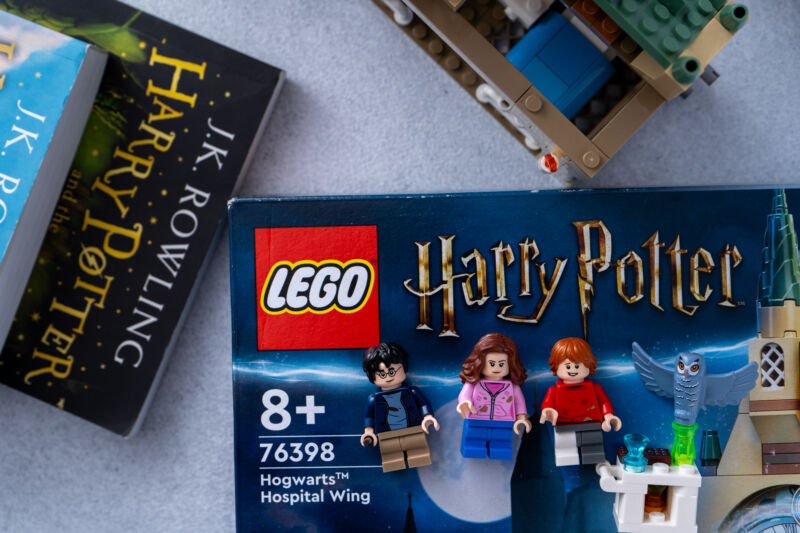
These collections often feature unique pieces and minifigures that are exclusive to the theme, adding extra value for collectors. There’s even seasonal and special event-themed sets, offering something new and exciting throughout the year for LEGO enthusiasts.
Market Dynamics and Competition
Lego pricing stands out in the toy industry for a mix of distinct factors, including competitive landscape and Lego’s unique selling points. These elements influence why Lego often comes with a higher price tag compared to other toy brands.
Comparing Prices with Competitors
When you look at Lego, you notice its cost is typically higher than brands like Mega Bloks, Kre-O, and Playmobil. This difference isn’t random. Mega Bloks, for instance, often targets a slightly younger demographic and uses less durable materials. Kre-O focuses on similar construction-style toys but doesn’t quite match Lego’s brand recognition or range.
A Lego set can be roughly double or triple the price of a similar set from these competitors. The price tags reflect more than just the construction bricks but also the aspects like licensing for popular themes such as Star Wars or Harry Potter. On the flip side, brands like Playmobil tend to have different play features that may not compete directly but do offer varied price points.
Lego’s Unique Value Proposition
Lego justifies its higher prices through several unique aspects. For starters, the plastic used in Lego bricks is of high quality, ensuring durability and longevity. This isn’t just about the feeling of the bricks but also their resistance to wear and tear. Essentially, you’re getting a product that lasts.
Lego also invests heavily in innovation and design. The complexity and detail of the sets often outshine those of competitors, offering more intricate and engaging builds. Additionally, the brand value and community aspect around Lego, including clubs, exhibitions, and an entire ecosystem of apps and games, give it an edge.
You might also notice that Lego sets frequently come with detailed instruction booklets and come packaged in a way that adds to the premium feel. All these details contribute to why Lego maintains a higher price point in the competitive toy industry.
Consumer Experience and Loyalty
LEGO offers significant educational and developmental benefits, while also providing value through collectibility and resale opportunities.
Educational and Developmental Benefits
LEGO bricks are more than just toys. They help children learn through play, fostering creativity and problem-solving skills. As you build, you develop fine motor skills and hand-eye coordination. Activities involving LEGO can also encourage cooperation and teamwork when kids work on projects together. Building intricate models requires persistence, allowing kids to practice overcoming challenges.
LEGO sets are designed with different age groups in mind, ensuring appropriate complexity. For example, simple sets for younger children focus on basic motor skills, while advanced sets for older enthusiasts introduce complex engineering concepts. This makes LEGO a versatile tool in both educational settings and home play.
Collectibility and Resale Value
LEGO sets hold significant collectibility and resale value. Rare and limited-edition sets can appreciate over time, making them sought-after items for collectors. With their high-quality materials, LEGO sets have impressive longevity, often lasting decades without significant wear. This durability supports long-term value, particularly for well-maintained sets.
You might be surprised to find that some retired LEGO sets can fetch high prices in the secondary market. Collectors are willing to pay a premium for unique or discontinued items. The LEGO community is strong and supportive, filled with enthusiasts who value the brand’s legacy and enduring appeal.
Economic and Environmental Factors
LEGO’s pricing is influenced by the cost of labour and production as well as their dedication to environmental sustainability. Understanding these elements can provide insight into why purchasing LEGO sets can be expensive.
Cost of Labour and Production
LEGO sets require intricate designs and precision, which demand skilled labour. The building process isn’t just about putting pieces together; it involves high-quality standards.
Production takes place mainly in Europe, where wages are higher. Manufacturing costs also include advanced technology and machinery to ensure precision.
Materials used in LEGO sets are of premium quality, contributing to their durability. Each piece undergoes rigorous testing.
Lego’s Environmental Initiatives
LEGO prioritises sustainability. They have switched to plant-based plastics derived from sugarcane for some pieces. Efforts to reduce carbon emissions include investing in wind power for their factories. LEGO’s goal is to make all core products sustainable by 2030. Packaging is also being redesigned to be more eco-friendly. Instructions are now often available digitally, reducing paper use.
The Cultural Significance of Lego
Lego has made significant impacts in both media and childhood memories. It’s not just a toy but a symbol of imagination and creativity featured in movies and central to many growing-up stories.
Lego in Media and Entertainment
Lego’s presence in media is substantial. With Lego movies grossing millions, you can’t miss its impact on entertainment. Iconic films like The Lego Movie spun captivating stories that appealed to both kids and adults.
Rows of Lego sets line toy store shelves, from classic trains to futuristic or robotic themes. These sets often tie into film franchises, blending cinema excitement with hands-on creativity.
Television also highlights Lego’s cultural reach. Shows like Lego Masters showcase extraordinary Lego builds, proving its appeal isn’t just for children. Adults too find immense satisfaction and nostalgia in stacking those iconic bricks.
The Role of Lego in Childhood Memories
When you think back to your childhood, Lego probably pops up. Whether it was building futuristic cities or dinosaur parks, Lego sets sparked your imagination. Each piece offered a chance to create something unique, fostering early engineering and storytelling skills.
Lego played a significant role in your cognitive development. It taught you creativity and problem-solving. Unlike Megabloks, the precision in Lego’s design means each project was a rewarding challenge.
Your old Lego sets, perhaps stored in the basement now, remind you of endless hours of creativity. They served as fundamental tools in imaginative play, leaving lasting impressions that carry into adulthood.